Modern Fashion Trends: Combining Everyday Comfort with Timeless Accessories
The fashion industry continues to introduce new trends, but versatile clothing and practical accessories remain important to everyday style. Consumers increasingly look for products that offer comfort, durability, and flexibility while reflecting their individual tastes. For retailers, understanding these preferences can help them develop collections that appeal to customers with different fashion needs.
Building a Wardrobe Around Everyday Essentials
A well-planned wardrobe includes clothing that can be worn in different settings and paired with a variety of other items. From casual outings to relaxed weekends, versatile garments make it easier to create outfits without sacrificing comfort or appearance.
For clothing businesses, sourcing bulk pants can help establish a product selection that accommodates different customer preferences. Offering various colors, cuts, and materials gives shoppers more opportunities to find suitable options for their daily routines. Classic designs can attract customers who prefer simple outfits, while contemporary styles appeal to those who enjoy experimenting with current fashion trends.
Retailers should also pay attention to product construction. Comfortable fabrics, reliable stitching, and consistent sizing can influence customer satisfaction and help establish a positive reputation for a clothing business.
Exploring Different Pants Styles
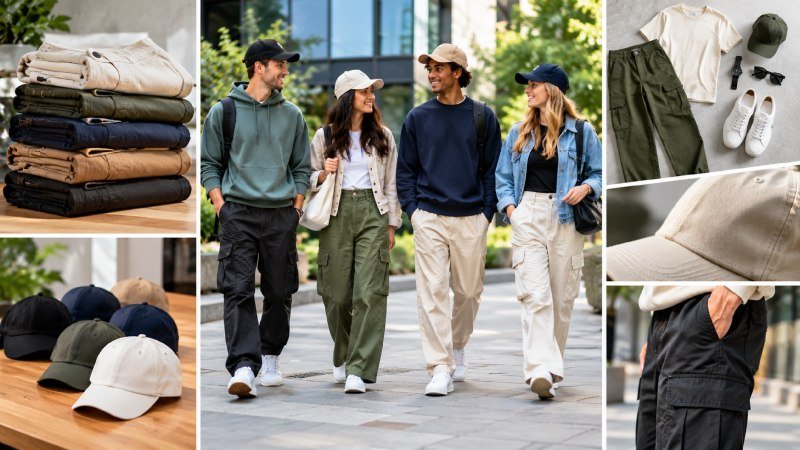
Pants are available in numerous designs, making them suitable for a wide range of fashion preferences. Straight-leg and relaxed-fit styles provide a classic appearance, while joggers offer a sporty alternative for casual wear. Cargo pants, with their distinctive pockets and utility-inspired details, are particularly suitable for outfits influenced by modern streetwear.
Material selection is equally important. Cotton blends can provide everyday comfort, while fleece fabrics offer additional warmth in cooler conditions. Lightweight materials may be more appropriate for warmer climates, depending on the garment’s construction.
When developing a product range, retailers should consider their audience, preferred fits, and seasonal requirements. A balanced selection of essential and trend-driven designs can help businesses serve different customer groups without relying on a single clothing style.
Why Accessories Matter in Modern Fashion
Accessories can transform a simple outfit into a more distinctive look. Hats, in particular, combine practical benefits with visual appeal, making them a popular choice for casual clothing and streetwear collections.
Among the available options, 6 Panel Hats offer a recognizable design created through six fabric sections joined together. This construction gives the cap its characteristic shape and allows it to complement different outfits. Depending on the fabric, fit, and finishing details, these hats can work well with everyday casual clothing, athletic-inspired looks, and branded merchandise.
Color selection can also influence how customers style their hats. Black, white, navy, and other neutral shades are easy to coordinate with existing wardrobes. Brighter colors, contrasting panels, and embroidered designs provide alternatives for shoppers seeking more expressive accessories.
For retailers, offering a selection of hat styles can create additional opportunities to reach customers interested in completing their outfits with practical yet fashionable products.
Creating Coordinated Outfits for Different Audiences
Successful fashion collections often include products that work well together. Customers appreciate having options that make outfit planning simple, particularly when shopping for casual wear or streetwear-inspired clothing.
For instance, relaxed-fit pants can be combined with a plain T-shirt and a baseball-style cap for an uncomplicated everyday outfit. Cargo pants paired with an oversized sweatshirt and a structured hat can create a more contemporary urban appearance. These combinations demonstrate how basic garments and accessories can complement one another without requiring complicated styling.
Retailers can use these ideas when arranging product displays, creating website categories, or developing social media content. Showing complementary products together may help shoppers discover additional items that match their preferences.
Understanding the intended customer is essential. Younger shoppers may be drawn to oversized silhouettes and bold graphics, while other customers might prefer understated colors and traditional designs. Offering a mixture of styles can help businesses appeal to a broader audience.
Important Factors When Selecting Clothing Suppliers
Choosing suitable suppliers is a significant part of operating a clothing business. Retailers should evaluate fabric quality, garment construction, sizing information, pricing, and available inventory before making purchasing decisions.
Minimum order quantities deserve particular attention, especially for businesses managing limited storage space or working with a defined budget. Comparing supplier terms can help retailers determine whether a product is appropriate for their business model.
Whenever possible, requesting samples before placing a larger order is a sensible step. Examining the products firsthand allows buyers to assess the material, stitching, fit, and overall finish. Retailers should also confirm delivery estimates, return policies, and procedures for handling defective merchandise.
Maintaining communication with suppliers can make inventory planning more predictable. Reliable product information and clear ordering terms help businesses make informed decisions and reduce avoidable purchasing problems.
Keeping Fashion Collections Relevant
Fashion preferences change over time, so retailers need to review their product selections regularly. Customer feedback, sales performance, and seasonal buying patterns can provide useful information about which products deserve greater attention.
Basic colors and timeless silhouettes often provide a dependable foundation, while selected trend-focused pieces can introduce variety. Businesses should avoid relying entirely on short-lived trends and instead aim to maintain a collection that balances current demand with long-term usefulness.
Digital marketing can also help retailers present their products effectively. High-quality product photographs, accurate descriptions, and practical styling suggestions allow shoppers to understand how individual items can fit into their wardrobes.
Social media posts featuring coordinated outfits can further demonstrate the versatility of different clothing and accessory combinations. Consistent product presentation and helpful information can strengthen customer confidence when shopping online.
Conclusion
Modern fashion is about more than following trends; it involves choosing products that combine practicality, comfort, and personal expression. Versatile pants provide a foundation for everyday outfits, while well-designed hats offer an easy way to introduce character and variety.
For retailers, building a balanced inventory requires careful supplier selection, attention to product quality, and an understanding of customer preferences. By combining dependable clothing essentials with complementary accessories, businesses can create appealing collections that suit different lifestyles and fashion tastes.