Top Factors to Consider When Replacing Your Home’s Windows
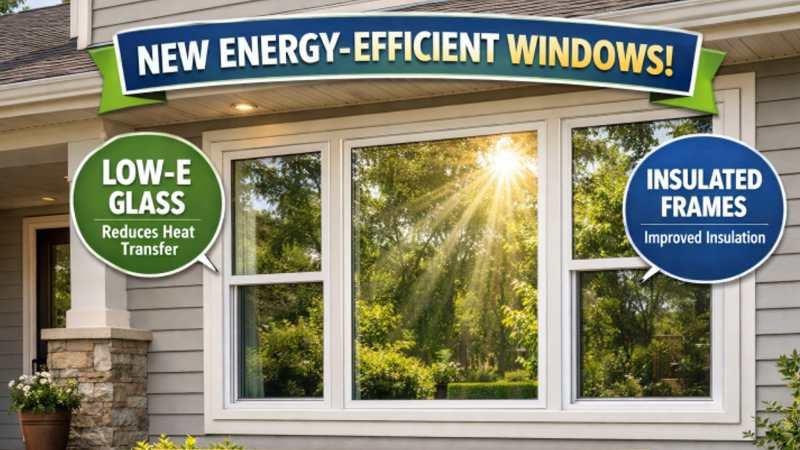
Replacing your windows is an opportunity to improve your home’s energy performance. Choosing replacement windows that are designed for energy efficiency can significantly reduce heating and cooling costs year-round. Key performance criteria include low U-factors and Solar Heat Gain Coefficient (SHGC) values, which indicate superior insulation and reduced heat transfer through glass. Energy Star-certified windows are independently tested to meet strict efficiency standards, so selecting them may help you save an average of up to 13% on energy bills, according to ENERGY STAR.
Factors such as airtight construction, double- or triple-glazing, and non-conductive frame materials all contribute to minimizing thermal loss. Not only does this benefit your comfort and wallet, but it also supports a greener home by reducing overall energy consumption.
Choosing the Right Materials
Window frames are available in several materials, each offering distinct pros and cons. Vinyl windows are cost-effective and require little upkeep, though they may warp in extreme temperatures. Wood frames offer natural beauty and insulation but require regular maintenance to prevent moisture and rot. Aluminum frames are lightweight and durable yet conduct more heat, making them less ideal for extreme climates. Fiberglass is a premium option that is highly durable and energy-efficient, but the upfront investment is greater. The right material depends on your climate, budget, and maintenance preferences, as NerdWallet explains.
When evaluating materials, factor in your local weather patterns and your willingness to maintain or repair them over time.
Understanding Window Styles
The style of your new windows will determine both the appearance and the functionality of each room. Double-hung windows, where both sashes move, offer excellent ventilation control and historic aesthetics. Casement windows open outward from the sides, creating wide viewing areas and efficiently catching breezes. Sliding windows require less vertical space and work well in areas with limited height. For those looking to add a dramatic architectural element, bay and bow windows extend outward and can become a focal point in living spaces.
Select window styles that suit both your home’s architecture and your daily routines. Consider how each opening method might impact interior layouts or exterior walkways.
Evaluating Installation Quality
Even the best windows can underperform or fail if installed poorly. Proper installation ensures a tight fit that prevents drafts, moisture leaks, and operational issues. Always hire experienced professionals certified by reputable organizations, and request references or proof of insurance as a safeguard. According to The Washington Post, precise, attentive artistry can prevent costly repairs later and extend the life of your investment.
Ask the installer about their experience with your chosen window type, and clarify warranty coverage on both products and labor before work begins.
Considering Cost and Return on Investment
Window replacement can be a sizable home project, with costs varying significantly depending on materials, styles, and custom features. Despite the expense, homeowners typically recoup between 64% and 69% of the cost in added resale value, according to recent market data. This makes quality windows an appealing investment for both immediate energy savings and long-term property appreciation.
Assess the options that align with your financial plans and consider the potential for increased home value, especially if you plan to sell within the next few years.
Addressing Noise Reduction
For homes in bustling neighborhoods or near busy roads, soundproofing is a valuable feature. Double- or triple-pane windows, particularly those with insulating gas layers, can greatly reduce outside noise, making interiors quieter and more peaceful. A quality installation and a tight window seal are vital for optimal sound reduction.
Improved acoustics not only increase comfort but can also make your home more appealing to potential buyers, especially in urban settings.
Ensuring Safety and Security
Modern window designs incorporate a range of security enhancements. Reinforced frames, multi-point locking systems, and options for laminated or tempered safety glass all serve to protect against break-ins and accidents. These features make it significantly harder to force entry, supporting both your peace of mind and your insurance requirements.
When choosing windows, discuss security options with your installer, and opt for certifications or product ratings that guarantee high standards.
Maintaining Aesthetic Appeal
Windows are an essential element of your home’s architectural character. Carefully chosen designs and finishes can elevate curb appeal, add to the property’s value, and make a lasting impression on guests and buyers. Think about how frame colors, divided lite styles, and hardware options coordinate with both exterior and interior themes.
Long-lasting finishes, such as UV-resistant coatings, keep windows looking sharp for years with minimal upkeep.
By carefully evaluating factors such as energy efficiency, material durability, design, and security, homeowners can choose replacement windows that improve comfort, reduce utility costs, and elevate overall home safety. Thoughtful selection also enhances aesthetic appeal, complementing the property’s style. Consulting professional resources and experienced contractors ensures informed decisions, resulting in a long-lasting investment that not only increases property value but also enriches daily living and overall satisfaction within the home.