
First-Time Homeowner Checklist: What to Handle in Your First 90 Days
Getting the keys to your first home feels like a huge win—until you realize how many things now depend on you. The first few weeks can feel scattered. You’re unpacking, setting up utilities, and trying to figure out what actually needs attention right away. Many new homeowners delay important tasks simply because they don’t know where to start. That delay can lead to avoidable repairs, safety issues, or higher costs later. The first 90 days are your window to get organized and take control of your home before small problems grow. A focused checklist helps you move with purpose instead of reacting to surprises.
Create a Simple Maintenance Plan That You’ll Actually Follow
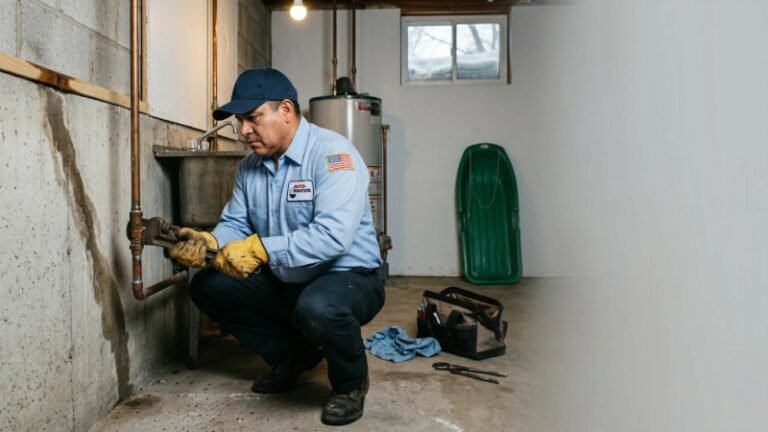
Owning a home comes with ongoing upkeep, and the key is consistency rather than complexity. Many homeowners fall behind because they try to track too many things at once or rely on memory. A simple routine works better and keeps small tasks from turning into expensive repairs. Start by setting reminders for basic tasks like changing air filters, checking smoke detectors, and inspecting visible plumbing for leaks or corrosion. You don’t need a complicated system—a phone calendar or reminder app works fine and keeps everything in one place. Try grouping tasks by season so they feel more manageable. This approach helps you stay on track without feeling overwhelmed.
In warmer months, your air conditioning system should be your first priority since it carries most of the workload. Before temperatures rise, run your AC and check if it cools evenly, maintains airflow, and starts without delay. If needed, arrange air conditioning repair & AC service during this period to avoid mid-season breakdowns. A simple plan keeps your home running smoothly without feeling overwhelming.
Secure Your Home from Day One
The first thing you should handle is access to your home. You don’t know how many spare keys are still out there from previous owners, contractors, or neighbors. Rekeying or replacing locks gives you full control right away. This includes front and back doors, garage entry points, and even older sliding doors that often get overlooked. If your home has a keypad or smart lock, reset the codes immediately. While you’re at it, check window latches and make sure they close properly. This step doesn’t take long, but it removes uncertainty. You’ll feel more settled knowing that only you and your household can get in without question.
Learn Where Your Shut-Offs Are Before You Need Them
Every homeowner should know how to stop water, gas, and electricity in an emergency. It’s one of those things people assume they’ll figure out later, but when a pipe bursts or a leak starts, time matters. Walk through your home and locate the main water valve, electrical panel, and gas shut-off. Make sure nothing blocks access to them. Turn each one slightly to confirm it works, then return it to its original position. If anything feels stuck or unclear, call a professional to check it. Taking a few minutes now can prevent serious damage and give you confidence if something unexpected happens.
Start Fresh with a Deep, Intentional Clean
Cleaning your home before fully moving in gives you control over your space in a way that regular cleaning never will. Focus on areas that usually get skipped, like inside cabinets, behind appliances, and air vents. Dust and debris often collect in these spots and affect air quality. Bathrooms deserve extra attention, especially surfaces that come into direct contact with skin. Replacing toilet seats is a simple upgrade that many homeowners prefer. A thorough clean also helps you notice hidden issues like mold, pests, or damaged surfaces. Once your furniture is in place, doing this level of cleaning becomes much harder.
Use Your Inspection Report as a Working Plan
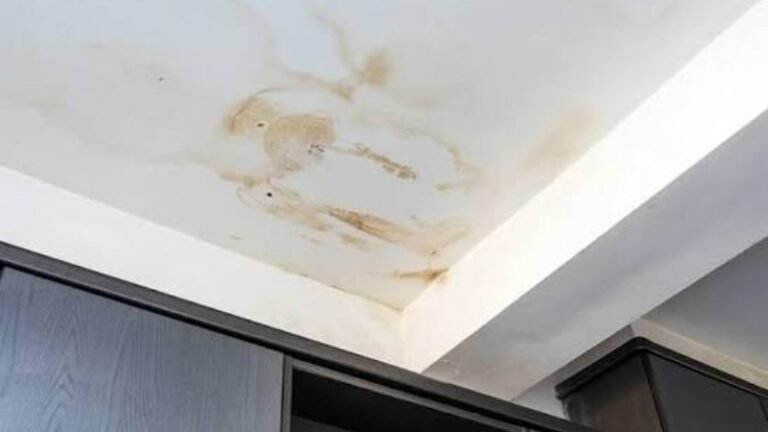
Your home inspection report is more than a document for closing—it’s a guide for your first year. Go through it again and highlight items that need attention soon. Focus first on anything related to safety, water damage, or structural concerns. Then look at items marked as “monitor” or “maintenance.” These are often easy fixes that can prevent bigger repairs later. Break the list into short-term and long-term tasks so it feels manageable. Keep notes as you complete each item. This approach helps you stay organized and gives you a clear sense of progress as you settle into your home.
Organize Home Records Before They Pile Up
Paperwork builds up faster than most homeowners expect. Start a simple system right away so it doesn’t turn into a mess later. Keep copies of your closing documents, warranties, appliance manuals, and any repair receipts in one place. A physical folder works, but a digital folder is easier to search and update. Take photos of model numbers and serial labels on appliances in case they fade over time. When you schedule repairs or maintenance, save the details. This record helps you track what’s been done and when. It also makes things easier if you need service again or decide to sell your home later.
The first 90 days in your home are about getting ahead of problems before they start. When you focus on the right tasks early, you build a strong foundation for everything that comes next. You don’t need to do everything at once. Work through your checklist step by step and keep things simple. Pay attention to safety, stay organized, and handle small issues before they grow. As you settle in, your home will start to feel more manageable and less overwhelming. With a clear plan in place, you can shift your focus from fixing things to actually enjoying your space.