Top 10 Garden Design Problems Britons Ignore
Most of our gardens are packed with potential, but we waste a lot of it. It rarely happens due to neglect, either. Usually, it’s the result of well-meaning decisions that seemed brilliant on a sunny Saturday morning.
You add a patio here, pop random shrubs there, and end up with a garden that looks like it was designed without a plan.
Luckily, most of these problems have incredibly straightforward fixes. So, keep reading to find out more.
Designing Your Space Only for Summer
We get about six good weekends in summer here if we’re lucky. If you design your entire garden around those six fleeting windows of sunshine, don’t be surprised when the view looks thoroughly uninspiring by October. It’s a trap so many of us fall into.
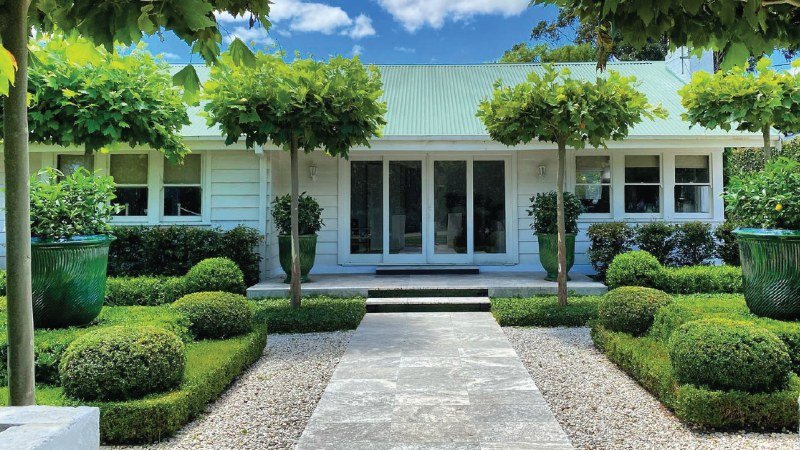
To enjoy your garden all year round, you need to focus on structure first. Think about adding paths, hedges, and evergreen plants that will hold their shape when everything else dies back.
Also, you can layer your plants so that spring bulbs give way to summer perennials, which then leave behind beautiful autumn seedheads. That way, your garden will earn its keep through every single season.
Giving Your Lawn More Space Than It Needs
Most of us have a large lawn simply because we never thought to question it. It was there when you moved in, so it stayed, and it has slowly swallowed up every opportunity to do something more interesting with the space.
When you have an oversized lawn, you run out of room for the features that make outdoor spaces actually usable. Those include seating areas, raised beds, or somewhere to hide the bins so they aren’t front and centre.
On top of that, grass is notoriously high-maintenance, requiring endless mowing, feeding, and watering just to look average. If half your lawn is buried in shade and the rest is mostly moss, it’s time to reclaim that space for yourself.
Ignoring Natural Sightlines from the House
You probably spend way more time looking at your garden through your kitchen window than you do actually sitting in it. So, why do we rarely consider the view from inside when designing our outdoor spaces?
Your focal points will be more impactful if you position them to be seen from the rooms you use most. For example, putting a beautiful specimen at the far end of your yard will naturally draw your eye outward and instantly make the whole space feel bigger.
To fix this, take a look at which windows overlook your garden right now and check what they’re actually pointing at. If your current view is just a blank fence panel and a wheelie bin, you have a massive opportunity to improve it.
Treating Every Part of Your Garden the Same
Even if you have a big garden, it may still feel a lot smaller than it actually is. When the whole space feels like one big, continuous area, you lose that lovely sense of discovery, and none of the spots ever feel quite right for any specific activity.
Fortunately, you don’t need acres of land to pull it off. Just create separate areas for dining, relaxing, growing veggies, and playing.
Even a modest garden can fit a defined seating area, a border that draws you through the space, and a cosy corner that feels entirely different from the rest. Best of all, this separation can be incredibly subtle, like a simple change in paving or a single low hedge.
Forgetting How Mature Plants Will Change the Layout
That little shrub sitting innocently in a two-litre pot won’t stay that size forever. Give it a few years and a decent amount of rain, and it may start swallowing pathways, blocking views, and making your whole garden feel like a dark tunnel.
So, before you buy anything, check the label and make sure you’re choosing specimens that suit the space you actually have, not the one you wish you had.
If you plan ahead, your garden will mature beautifully. Get it wrong, though, and you’ll spend every summer trying to convince your overenthusiastic shrubs to stay in their lane.
Putting Practical Features in the Spotlight
Every garden has its awkward necessities—your bins, the compost heap, the shed, and that garden hose reel that refuses to coil up properly. The real problem starts when these items end up in full view, turning into accidental focal points that no amount of clever planting can disguise.
But you can easily fix this. A trellis covered in climbers, a low hedge, or a simple timber screen can conceal those eyesores without making your yard feel closed in.
Your ultimate goal is to keep these things completely accessible when you need them but invisible when you don’t.
Ideally, your bins should sit near a side gate where they’re largely out of sight. No side gate? No problem. That’s what decorative screens are for. Just make sure yours looks intentional rather than like a last-minute cover-up.
Creating Dead Space That Serves No Purpose
Most of us have at least one awkward corner that’s too shaded for grass to grow and too far from the house to be a comfortable seating area. Over time, these areas tend to become magnets for dead leaves and tools you’ve been meaning to throw away since 2019.
Instead of writing these spots off, see them as opportunities. You can transform a shaded corner into a lush fern garden, a wildlife habitat, or a neat log pile.
And if you have a strip along a boundary wall, you can use it to grow espalier fruit trees or build simple storage with a green roof. The trick is to decide exactly what that corner should be used for instead of just hoping that nobody will notice it.
Prioritising Individual Features
A beautiful pergola can be a fantastic feature. But if it clashes with the style of your home or doesn’t work with the surrounding plants, it’ll always feel out of place, no matter how well it was built.
So, you need to step back and consider the bigger picture. For example, the plants around your focal points should complement them instead of competing for attention, and your paths should always lead somewhere logical.
At the end of the day, a garden that flows well as a cohesive whole is infinitely more attractive than a collection of impressive, mismatched pieces that don’t quite add up.
Overlooking Privacy During the Planning Stage
You enjoy your new garden for a summer, suddenly realise you’re making direct eye contact with three neighbours over your morning coffee, and panic. The emergency solution is almost always a row of fast-growing conifers that eventually block out the entire sky.
You have way better options, and they’re all far easier to implement while you’re still planning out your space.
If you’re looking to enhance your privacy, raised beds can help taller plants make more of an impact without the need for a towering fence. Pergolas also achieve a similar effect, creating a sense of enclosure while still letting plenty of light through.
And sometimes, the simplest solution is the best one. If you’d rather avoid adding new structures, just position your seating area away from direct sightlines.
Failing to Connect Your Garden with Your House
If stepping outside feels like entering a completely different world, the connection between your house and garden may need a little more thought.
Here’s what creative garden design specialists recommend: stitch the two spaces together by choosing paving that picks up the tones of your indoor flooring.
Also, you can use planters that echo your interior colours or add plants to soften the hard edges between the building and the grass.
Keep an eye on your ground levels, too. A patio that sits significantly lower than the floor inside can break that visual connection. If you match those heights instead, your garden will seem like an extra room of your home.
Conclusion
You don’t need a massive budget or a full redesign to fix these mistakes. You just need a clearer sense of what you actually want from your outdoor space.
So, take a look at what’s currently out there and work your way through this list. Your garden has a lot more to give than it’s currently showing you.