Ceiling Stains Below the Bathroom? Here’s What Leakage Repair Involves
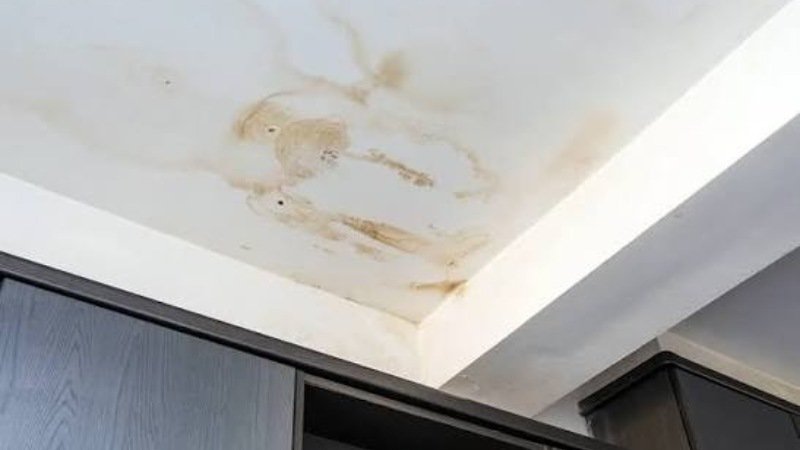
A brown or yellow stain spreading across the ceiling below a bathroom almost always means water is getting past the floor, tiles, or a fitting somewhere above, and it rarely fixes itself. Leakage repair for this kind of problem involves finding the exact source first, usually through a mix of visual inspection and moisture testing, then addressing whatever’s actually letting water through, whether that’s a failed seal around the shower tray, a cracked tile grout line, or a loose pipe joint under the floor. Patching the ceiling itself without dealing with the source just means the stain comes back within a few months.
Ceiling stains below a bathroom usually come from water getting past the shower or bath seal, cracked grout, a leaking pipe joint, or a failing waterproof membrane under the floor. Fixing it properly involves locating the exact source with a moisture meter or dye test, repairing or replacing whatever’s failed, and only then addressing the ceiling stain itself, since painting over it without fixing the source guarantees the stain returns.
Why Ceiling Stains Appear Below Bathrooms
Water finds the easiest path downward, and a bathroom floor sits directly above whatever room is below it, which makes ceiling staining one of the most common early signs of a bathroom water leak. The water doesn’t need to be dramatic either. A small, slow seep from a failed seal can soak into floor joists and plasterboard for weeks before it becomes visible as a stain, by which point the moisture has usually spread further than the stain itself suggests.
A handful of causes account for most cases seen on callouts:
- A failed silicone seal around the bath, shower tray, or where the floor meets the wall.
- Cracked or missing grout between floor or wall tiles, letting water seep through during showers.
- A loose or corroded pipe joint under the bath panel or beneath the floor.
- A failing waterproof membrane beneath the tiles, especially in older bathrooms fitted before modern tanking became standard.
- An overflowing bath or shower tray caused by a blocked or poorly fitted waste.
Find out more about how professionals diagnose and fix these issues properly: bathroom leakage repair
How Professionals Trace the Source
Finding exactly where water is getting through matters more than most homeowners expect, since the stain’s position on the ceiling doesn’t always sit directly below the actual leak. Water can travel along a joist or follow a pipe run before dripping down somewhere else entirely, which is why guessing and re-sealing at random rarely works.
A typical inspection follows this order:
- Check the ceiling stain’s shape, size, and whether it’s actively wet or just staining from a past event.
- Inspect visible seals, grout lines, and the base of the bath or shower tray for cracks or gaps.
- Run water through the bath, shower, and any nearby pipework while watching for movement below.
- Use a moisture meter to map how far dampness has spread across the ceiling and surrounding structure.
- Lift a small, targeted section of flooring or tiling if the source still isn’t obvious from above.
Why Guesswork Often Makes Things Worse
Re-sealing a bath or replacing a few tiles without confirming that’s the actual source can mean the real leak keeps running for months longer while everyone assumes it’s been fixed. Moisture trapped this long often leads to rot in floor joists, which turns a simple seal repair into a much bigger structural job.
What Bathroom Waterproofing Repair Involves
Once the source is confirmed, the fix depends on what’s actually failed. Waterproofing issues typically involve:
- Removing and replacing failed silicone seals around the bath, shower tray, and any wall junctions.
- Re-grouting cracked or missing sections between tiles, particularly along floor and wall corners.
- Applying or repairing a tanking membrane beneath tiles in wet areas like shower enclosures.
- Checking and resealing around any pipe penetrations through the floor, such as where waste pipes pass through.
Bathroom waterproofing repair done properly means the whole wet area gets checked, not just the one visible crack, since a failed seal in one spot often indicates the sealant elsewhere is close behind it in age and condition.
What Bathroom Plumbing Repair Involves
If the leak traces back to pipework rather than surface waterproofing, the job shifts to bathroom plumbing repair, which usually means:
- Tightening or replacing a loose or corroded joint connecting the bath, shower, or basin waste.
- Replacing a cracked or perished section of supply or waste pipe under the floor.
- Fixing or replacing a faulty shower valve that’s weeping slowly behind the wall.
- Clearing a blocked waste pipe that’s been causing water to back up and overflow at the tray or bath.
Fixing the Ceiling Itself
Once the source is properly resolved, the ceiling can be addressed. This usually means letting the area dry out fully first, since painting over damp plasterboard traps moisture and leads to mould. A stain-blocking primer applied once everything’s dry stops the old mark bleeding through fresh paint, and any plasterboard that’s become soft or crumbly should be cut out and replaced rather than patched over.
Frequently Asked Questions
1. What causes a ceiling stain below a bathroom?
The most common causes are a failed seal around the bath or shower, cracked grout, a leaking pipe joint, or a failing waterproof membrane under the tiles, all of which let water seep down into the ceiling below.
2. Can I just paint over the ceiling stain?
No. Painting over a stain without fixing the source almost always results in the stain reappearing, since the underlying leak is still active and moisture keeps reaching the same spot.
3. How do professionals find the exact source of a bathroom leak?
They typically combine a visual inspection of seals and grout with moisture meter readings and water testing, running taps and showers while checking for movement below, to pinpoint the source before any repair work begins.
4. Is a ceiling stain always a sign of an active leak?
Not necessarily. Some stains are from a past leak that’s already been fixed, but the only way to be sure is to check whether the area is currently damp, since a dry, old stain and an active leak can look identical from below.
5. How long does bathroom leakage repair usually take?
A straightforward reseal or grout repair can often be done within a day, while a job involving a hidden pipe leak or a full waterproofing membrane repair may take several days including drying time.
6. Will I need to remove tiles to fix a bathroom leak?
Sometimes, particularly if the waterproof membrane beneath the tiles has failed or a pipe underneath needs accessing. Surface issues like a failed seal or cracked grout usually don’t require tile removal.
7. Can a small leak really cause structural damage?
Yes. A slow, ongoing leak left unaddressed for months can soak into floor joists and cause rot, turning what would have been a simple seal repair into a more involved structural repair.
8. How do I know if it’s a plumbing leak or a waterproofing issue?
A waterproofing issue usually traces back to a seal, grout line, or membrane failure at the surface, while a plumbing leak involves pipework or fittings beneath the floor. A proper inspection distinguishes between the two before repair work starts.
9. Does bathroom insurance usually cover this kind of leak damage?
Many home insurance policies cover leak damage, though cover and excess terms vary by provider and policy. Checking your specific policy wording or speaking to your insurer directly is the best way to confirm.
10. How can I prevent ceiling stains from happening again?
Regularly check and replace worn silicone seals, keep grout lines in good condition, and address any small leaks or damp patches as soon as they appear rather than waiting for a visible ceiling stain to develop.
Final Thoughts
A stained ceiling below a bathroom is the kind of problem that looks cosmetic but rarely is, and treating it as just a paint job usually means dealing with the same stain again within months. Finding the actual source first, whether that’s a failed seal, cracked grout, or a hidden pipe leak, is what actually stops it recurring. 0800 Homefix can trace the source properly and carry out the repair needed, from resealing and regrouting through to pipework fixes, so the ceiling gets fixed once and stays that way.