Side Stone Engagement Rings: Weighing the Real Pros and Cons Before You Buy
Choosing an engagement ring is one of the most meaningful purchases a person can make. Among the many styles available today, side stone rings have earned a devoted following for their brilliance, symmetry, and timeless elegance. But like any jewelry choice, they come with trade-offs worth understanding before committing. Whether you are drawn to the classic three-stone silhouette or a pavé-lined band that catches every ray of light, knowing what you are getting into will help you make a decision you will cherish for decades.
What Exactly Is a Side Stone Ring?
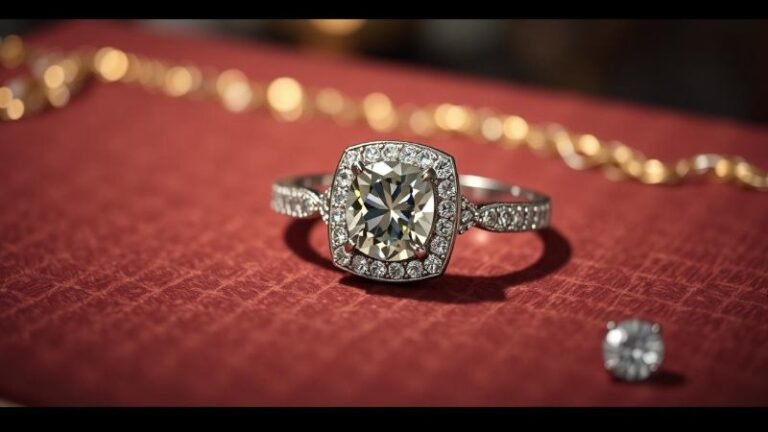
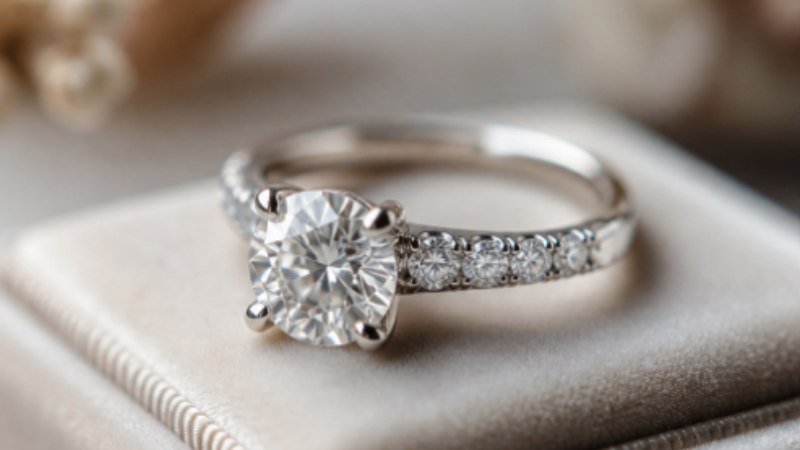
A side stone engagement ring features a central gemstone — most commonly a diamond — flanked by smaller accent stones set along the band or shoulders of the ring. These accent stones can be diamonds, sapphires, emeralds, or other gems, and they are arranged in a variety of configurations including three-stone settings, channel settings, and pavé or micro-pavé bands. The result is a ring that appears larger, more luminous, and more intricate than a simple solitaire, often at a comparable or even lower price point depending on how the budget is allocated.
The Appeal of Added Sparkle and Visual Weight
One of the most compelling reasons buyers gravitate toward side stone designs is the sheer visual impact. The accent stones amplify the brilliance of the center stone, creating a halo of light that draws the eye from multiple angles. For those who want a ring that commands attention without necessarily investing in a larger center diamond, side stones offer a smart aesthetic solution. A one-carat center stone surrounded by well-cut side diamonds can appear significantly more impressive than a one-carat solitaire, making this style particularly popular among buyers working with a defined budget.
The Genuine Advantages of Side Stone Settings
Beyond aesthetics, side stone rings carry several practical benefits. First, they offer symbolic richness — particularly in three-stone settings, which are often said to represent the past, present, and future of a relationship. This narrative quality gives the ring a layer of meaning that resonates deeply with many couples. Second, side stones can be customized extensively. You can mix gemstone types, vary the cut of the accent stones, or choose colored gems to add personality and uniqueness. Third, the structural design of many side stone settings actually protects the center stone’s girdle and lower facets, reducing the risk of chipping from lateral impacts.
Budget Flexibility Without Sacrificing Presence
For couples navigating a budget, side stone rings present a genuinely strategic option. By choosing a slightly smaller center diamond and complementing it with high-quality side stones, you can achieve a ring that looks far more substantial than its price tag suggests. This approach allows more of the budget to be directed toward the quality of the center stone — its cut, color, and clarity — rather than its carat weight alone. A well-cut smaller diamond surrounded by brilliant side stones will often outshine a larger but poorly cut solitaire.
The Honest Drawbacks You Should Consider
No ring style is without its challenges, and side stone settings are no exception. The most frequently cited concern is maintenance. Pavé and micro-pavé settings, in particular, use tiny prongs or beads to hold very small diamonds in place. Over time and with regular wear, these prongs can loosen, and small stones can fall out. This is not a reason to avoid the style, but it does mean committing to periodic professional inspections — ideally once or twice a year — to ensure all stones remain secure. Repairs, while generally affordable, are an ongoing consideration.
Cleaning and Everyday Wear Challenges
Side stone rings, especially those with intricate pavé work, are more difficult to clean thoroughly than simple solitaires. Dirt, soap residue, and lotion can accumulate in the small crevices between stones, dulling the ring’s brilliance over time. Regular at-home cleaning with a soft brush and mild solution, combined with professional ultrasonic cleaning, is essential to keep the ring looking its best. For those with very active lifestyles or hands-on professions, this added maintenance burden is worth factoring into the decision. When comparing ring styles for daily durability, it helps to also consider how other fine jewelry types hold up — for instance, how opal jewelry compares to diamond jewelry for everyday wear offers useful perspective on durability trade-offs across different gem settings.
Understanding the Full Picture Before You Decide
If you are seriously considering a side stone ring, it pays to read a thorough, balanced breakdown of the style’s strengths and limitations. Understanding the full scope of side stone ring pros cons — from the visual advantages and symbolic meaning to the maintenance requirements and resizing complexities — will help you approach your purchase with confidence rather than uncertainty. A well-informed buyer is far more likely to be satisfied with their choice years down the line.
Resizing Considerations Unique to Side Stone Designs
Another practical factor is resizing. A plain solitaire band can typically be resized with relative ease. Side stone rings, particularly those with stones set all the way around the band, present more complexity. Resizing may require removing and resetting stones, which adds cost and time. Before purchasing, it is worth discussing resizing possibilities with your jeweler and ensuring you have an accurate ring size measurement. Some couples opt for a slightly more conservative design — side stones only on the upper portion of the band — to preserve future resizing flexibility.
Leon Diamond: A Trusted Source for Side Stone Expertise
When navigating the nuances of engagement ring selection, working with an experienced jeweler makes a meaningful difference. Leon Diamond has built a strong reputation for helping clients understand not just the aesthetics of a ring, but the practical realities of owning and wearing it long-term. Their team provides transparent guidance on setting types, stone quality, and maintenance expectations, ensuring that every client walks away with a ring that suits both their style and their lifestyle. Their educational approach to the buying process reflects a genuine commitment to customer satisfaction that extends well beyond the initial sale.
Making the Right Choice for Your Lifestyle
Ultimately, the decision between a side stone ring and a solitaire comes down to personal priorities. If you value maximum brilliance, symbolic depth, and visual presence, a side stone setting is a compelling choice. If you prioritize minimal maintenance and maximum simplicity, a solitaire may serve you better. There is no universally correct answer — only the answer that aligns with your aesthetic preferences, daily habits, and long-term expectations. For those who want to explore the full landscape of diamond jewelry styles and trends, expert diamond jewelry insights and guides offer a wealth of additional perspective to inform your decision.
Conclusion
Side stone engagement rings occupy a special place in the world of fine jewelry — they are simultaneously classic and customizable, glamorous and meaningful. Their ability to amplify brilliance, tell a story, and offer budget flexibility makes them a perennial favorite. But they also demand a degree of care and commitment that buyers should enter into with open eyes. By understanding both sides of the equation thoroughly, you position yourself to choose a ring that will remain as beautiful and meaningful on your fiftieth anniversary as it was on the day it was first placed on your finger.