
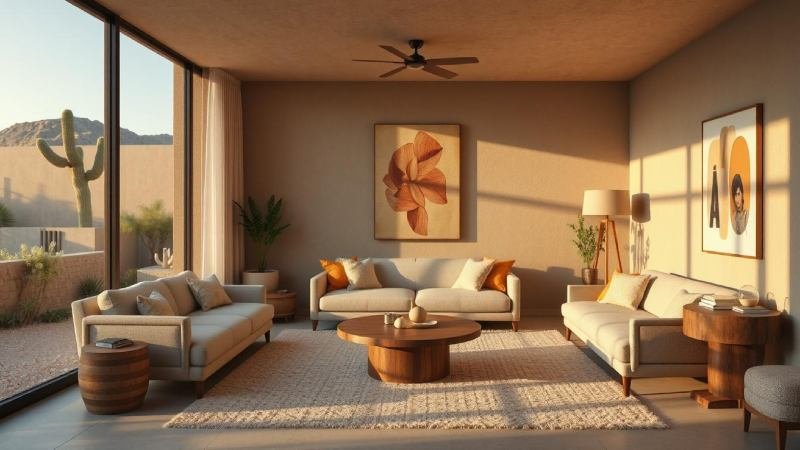
Desert living brings a unique set of challenges that go beyond just high temperatures, shaping how homes need to be designed from the ground up. Intense sunlight, low humidity, and sharp temperature swings create conditions where standard design approaches often fall short. Why do some homes stay comfortable with less effort while others constantly struggle against the heat? The difference usually comes down to how well the design responds to the environment. By focusing on practical choices that reduce heat gain, improve airflow, and use materials wisely, it’s possible to create spaces that feel comfortable without overreliance on energy-heavy solutions.
How the Desert Climate Shapes Everything
Desert climates are defined by extremes, and those extremes shape how homes perform day to day. Temperatures can climb quickly during the day and drop significantly at night, creating constant thermal stress on materials and indoor environments. Low humidity may feel comfortable at times, but it also accelerates wear on wood, fabrics, and finishes. Add in strong sunlight and prolonged UV exposure, and you have a setting where standard design choices often fall short. Understanding these conditions is not optional, it’s the starting point for everything that follows.
It’s easy to underestimate how much the environment influences comfort until you live in it. Why does a room feel unbearably hot even when the temperature seems manageable? Often, it’s not just the air temperature but the heat radiating from walls, floors, and surfaces. Wind and dust also play a role, affecting air quality and maintenance needs. When you design with these factors in mind, you move from reactive solutions to proactive comfort. That shift makes a noticeable difference in how a home feels and functions.
Choosing Materials That Actually Handle the Heat
Material choice is one of the most important decisions in desert home design. Some materials absorb and retain heat, while others help regulate temperature more effectively. Dense materials like concrete or stone can store heat during the day and release it slowly at night, helping stabilize indoor temperatures. Lighter-colored surfaces reflect sunlight rather than absorbing it, which reduces heat buildup on exterior walls and roofs. These choices directly influence how hard your cooling systems need to work.
Durability is just as important as thermal performance. What happens to materials after years of intense sun exposure and temperature swings? Many finishes fade, crack, or degrade faster in desert conditions if they are not designed for it. Roofing materials, in particular, need to handle both heat and UV stress without losing effectiveness. Choosing materials that are both heat-resistant and long-lasting reduces maintenance and replacement costs over time. It’s a practical decision that pays off in both comfort and longevity.
Insulation and Energy Efficiency That Work
Insulation plays a critical role in desert homes, even though it is often associated with colder climates. Its primary job is to slow down heat transfer, keeping hot air out during the day and maintaining cooler indoor temperatures. Attics are especially vulnerable, as they can trap large amounts of heat that eventually seep into living spaces. Proper insulation in walls and ceilings helps create a barrier that stabilizes indoor conditions. Without it, even the best cooling systems struggle to keep up.
Energy efficiency goes beyond insulation alone. Air leaks around doors, windows, and vents can let hot air in and conditioned air out, reducing overall performance. High-quality windows with heat-reducing coatings limit solar gain while still allowing natural light inside. Why spend more on cooling if the building envelope isn’t doing its part? Sealing and upgrading these elements creates a more controlled indoor environment. Over time, this translates into lower energy use and more consistent comfort.
Simple Ways to Cool Your Space Naturally
Shade is one of the most effective and underutilized tools in desert design. Blocking direct sunlight before it reaches walls and windows significantly reduces heat gain. Overhangs, pergolas, and awnings can create shaded areas that keep surfaces cooler throughout the day. This reduces the amount of heat that enters the home in the first place. It’s a simple concept with a powerful impact.
Landscaping can also serve as a natural shading solution. Trees and strategically placed plants provide coverage that changes with the sun’s position. Why rely solely on indoor solutions when outdoor strategies can prevent the problem altogether? Exterior shading is far more effective than interior blinds or curtains because it stops heat before it enters the space. Combining built structures with natural elements creates a layered approach to cooling. The result is a home that stays more comfortable with less effort.
Making Outdoor Spaces Comfortable (Even in the Heat)
Outdoor living is a big part of desert lifestyles, but it requires thoughtful design to remain usable. Without proper planning, patios and seating areas can become too hot to enjoy for much of the day. Covered structures and shaded zones make these spaces more functional, even during peak heat. Materials also matter, as some surfaces retain heat and become uncomfortable to touch. Choosing the right finishes keeps outdoor areas more inviting.
Creating a cooler microclimate outdoors can make a noticeable difference. Features like water elements or shaded greenery can slightly lower surrounding temperatures. Why give up on outdoor spaces when small adjustments can make them usable year-round? Designing with both sun exposure and airflow in mind improves comfort significantly. The goal is to create a seamless transition between indoor and outdoor living. When done right, these spaces feel like a natural extension of the home.
Landscaping That Looks Good Without Wasting Water
Water-efficient landscaping is essential in desert environments where resources are limited. Traditional lawns require large amounts of water and ongoing maintenance, making them less practical in arid regions. Instead, drought-resistant plants are better suited to the climate and require far less irrigation. These plants are adapted to survive in dry conditions while still adding visual appeal. The result is a landscape that is both functional and sustainable.
Hardscaping elements like gravel, stone, and pathways reduce water use while adding structure to outdoor areas. Drip irrigation systems deliver water directly to plant roots, minimizing waste. How can landscaping contribute to cooling as well as aesthetics? Properly placed plants and shaded areas can reduce heat around the home, improving overall comfort. This approach balances efficiency with design, creating spaces that are both practical and visually appealing. It’s about working with the environment, not against it.
Interior Design Choices That Help Your Home Feel Cooler
Interior design plays a bigger role in comfort than many people realize. Light-colored walls and finishes reflect heat and help maintain a brighter, cooler atmosphere. Heavier materials and dark tones tend to absorb heat, making spaces feel warmer than they need to be. Flooring is another important factor, as materials like tile or stone stay cooler underfoot compared to carpet. These small choices add up to a noticeable difference in daily comfort.
Furnishings and fabrics also influence how a space feels. Breathable materials are better suited for dry climates and contribute to a lighter, more comfortable environment. Why choose design elements that trap heat when alternatives can improve comfort naturally? Minimizing clutter and heavy décor helps air circulate more freely. Many local contractors in Arizona such as Cabinet Coatings emphasize this balance between design and airflow when planning interiors. A well-designed interior supports the overall cooling strategy rather than working against it. The goal is a space that feels consistently comfortable, even during the hottest months.
Common Mistakes People Make (and How to Avoid Them)
One of the most common mistakes is relying too heavily on air conditioning without addressing underlying design issues. When homes are not properly oriented or insulated, cooling systems have to work much harder. This leads to higher energy costs and inconsistent comfort. Another frequent issue is choosing materials based solely on appearance rather than performance. In desert climates, this can result in faster wear and increased maintenance.
Ignoring shade and landscaping opportunities is another missed advantage. Why overlook simple solutions that can significantly reduce heat gain? Designing without considering sun exposure often leads to uncomfortable living spaces. Prioritizing short-term aesthetics over long-term functionality can create ongoing challenges. Avoiding these mistakes starts with understanding the environment and making informed decisions. A thoughtful approach leads to better performance and a more comfortable home.
Conclusion
Designing for desert conditions is ultimately about making smarter, more intentional choices that improve everyday comfort and long-term efficiency. Homes that respond well to their environment require less energy, experience less wear, and provide a more consistent indoor experience throughout the year. What if comfort didn’t depend on constantly adjusting the thermostat but instead came from the way the home was built? By combining thoughtful layout, appropriate materials, effective shading, and efficient systems, desert living becomes more manageable and sustainable. The result is a home that feels balanced, practical, and well-suited to its surroundings.