How to Choose the Perfect Bathtub Replacement for Your Home
Replacing your bathtub is a rewarding investment that can enhance both the practicality and visual appeal of your bathroom. Whether you are looking to upgrade due to wear and tear or to embrace a new trend, there is a wide range of remodeling bathtubs available to fit almost any space and design vision. Choosing the best bathroom bathtub involves careful planning, from precise measurements and understanding material options to considering your existing setup. Trends now emphasize accessibility and durability, aligning choices with your needs. Whether small or large, the right tub transforms your bathroom into a relaxing retreat. Start by reviewing layout, plumbing, and features to ensure smooth installation, comfort, and long-term satisfaction.
Assess Your Space and Plumbing
The first step to a successful bathtub replacement is evaluating your bathroom’s size and current plumbing layout. Standard bathtubs are generally about 60 inches long, 30 inches wide, and 14 to 16 inches deep, but variations exist. Measuring your current space will help you avoid selecting a tub that is too large or too small. If your plumbing fixtures are not in the ideal position for your new choice, you may face higher installation costs due to necessary adjustments or rerouting. Consulting a plumber or a bath remodeling professional at the beginning can help you understand what is feasible for your space.
Explore Bathtub Types
Bathtubs come in a variety of shapes and configurations, each offering different benefits:
- Alcove Tubs:These are surrounded by three walls, which saves space and is especially suitable for smaller bathrooms. Alcove models often come with a shower combination.
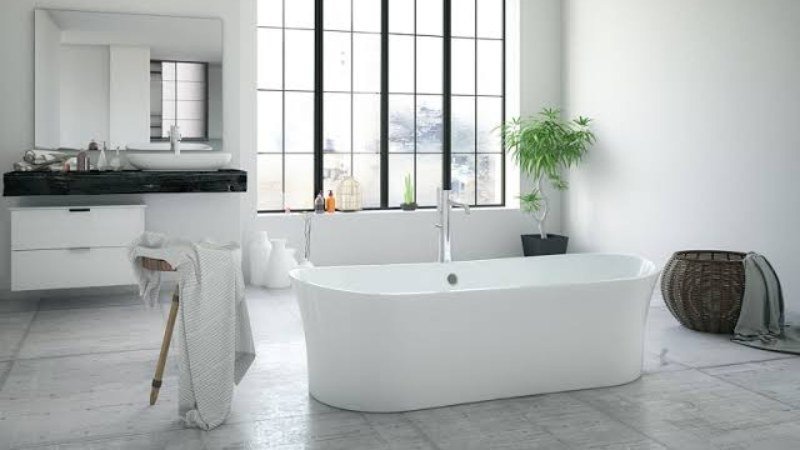
- Freestanding Tubs:With designs ranging from classic clawfoot to sleek modern styles, freestanding tubs make a dramatic statement. They require more room, making them ideal for larger bathrooms.
- Drop-In Tubs:Drop-in models are installed within a constructed deck or surround, offering greater flexibility in shape and the materials used for the surrounding area.
- Corner Tubs:Designed to fit in the corner, these tubs maximize floor space and can be an excellent choice for unusually shaped or compact bathrooms.
Compare Bathtub Materials
The right material will affect your tub’s look, feel, heat retention, and maintenance requirements. Common options include:
- Acrylic:Highly versatile, lightweight, and available in numerous shapes and colors, acrylic tubs are easy to clean but may scratch if handled roughly.
- Fiberglass:One of the most cost-effective choices, fiberglass tubs are lightweight and easy to install, yet less resistant to surface damage over time.
- Cast Iron:Ideal for those wanting enduring strength and excellent heat retention. These tubs require more support due to their weight and can be pricier to install.
- Stone Resin:Creates a smooth, upscale finish and provides significant durability. However, stone resin is often more expensive and heavier than most alternatives.
Consider Additional Features
Modern bathtubs can be equipped with a range of features that transform a simple bath into an indulgent experience. Consider incorporating:
- Hydrotherapy:Air jets for gentle bubbles or water jets for a deep massage. These features can promote relaxation and even improve circulation for users with muscle stiffness or soreness.
- Heated Surfaces:Some bathtubs come with integrated heating to keep the water and tub surface warm throughout your bath, prolonging comfort and relaxation.
- Built-In Seating:Ideal for accessibility, especially if the tub is to be used by anyone with mobility limitations. Built-in seats also contribute to a spa-like retreat for reading or unwinding in the tub.
Budget and Cost Considerations
The cost of your new bathtub can vary significantly. Standard alcove installations are the most affordable, while custom freestanding or spa tubs cost more due to materials and installation complexity. Labor costs typically range from $1,500 to $8,000, depending on the project’s complexity. Extra features, such as hydrotherapy jets or custom finishes, can further affect your overall budget.
Installation and Maintenance
Ensuring the bathtub is installed properly is vital to avoid leaks and to comply with local building codes. Most homeowners will benefit from hiring a professional rather than doing it themselves, especially if changes to plumbing or reinforced flooring are necessary. Maintenance is largely determined by material choice: acrylic and fiberglass are easy to keep clean but may need extra care to avoid scratches, while cast iron and stone may simply require occasional refinishing to keep a polished appearance.
Conclusion
Picking the ideal bathtub replacement involves looking beyond trends to fully understand your requirements and limitations. By measuring your space, examining different styles and materials, evaluating add-on features, and anticipating your full budget, you can select a bathtub that is both functional and beautiful. The time you invest in careful planning promises not only an improved daily routine but also the added value and luxury of a refreshed bathroom.