How to Respond Quickly and Effectively to Home Plumbing Emergencies
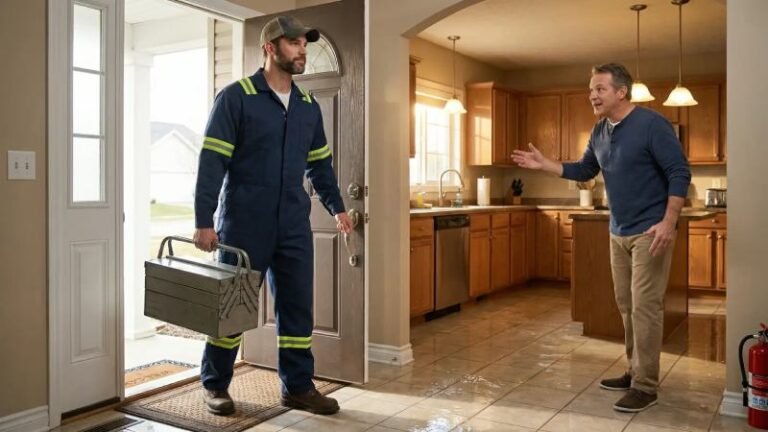
Plumbing emergencies often arise unexpectedly, causing stress and potential damage to your property. Taking the right actions quickly can save you money, minimize destruction, and ensure your family’s safety. Whether it’s a burst pipe or a leaking fixture, having a plan in place is essential for every homeowner. If you need help right away, you can always call for an emergency plumber in Chicago for prompt service and professional assistance.
This guide will walk you through each step to address plumbing disasters with confidence, from identifying the problem to taking preventive measures for the future. By understanding what to do before professional help arrives, you can manage these emergencies more effectively.
Identify the Problem
The first step during any plumbing emergency is to quickly determine what you are dealing with so you can act appropriately. Common urgent issues include:
- Burst pipes
- Overflowing toilets
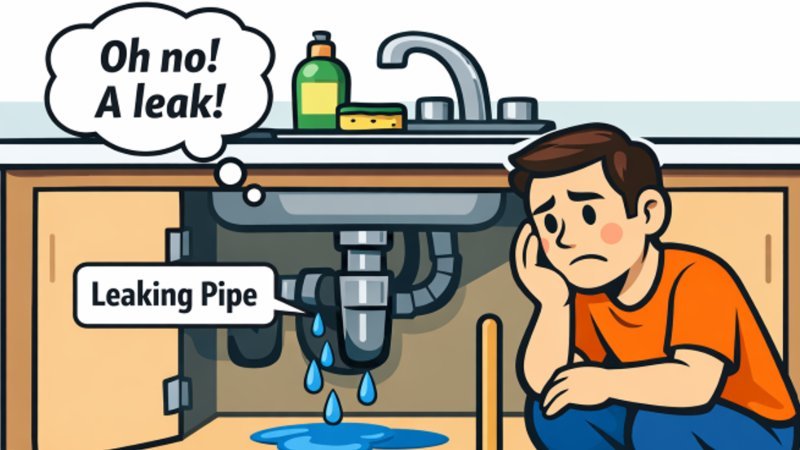
- Severe leaks from fixtures or appliances
- Major clogged drains
Identifying the specific issue will help you decide the right course of action and communicate effectively with a professional plumber later. Even if you cannot fix the problem yourself, knowing the source and scope helps reduce further risk.
In some cases, rapid identification may involve a quick visual inspection as well as listening for the sound of running or dripping water behind walls or under floors. Detecting a musty odor or noticing water spots on your ceiling or walls can alert you to hidden leaks and further guide your actions. Gathering information about when and where the problem began developing will be valuable for both a temporary fix and a permanent repair. Even minor issues can escalate if not addressed promptly, so vigilance and swift assessment are important habits to develop as a homeowner.
Shut Off the Water Supply
Halting the water flow is the most urgent task in mitigating damage. Locate your home’s main water shut-off valve. This is typically found near the water meter, in the basement, or in a utility area. Turn the valve clockwise to stop water from flowing through your home’s pipes. For localized problems, such as a sink leak or overflowing toilet, use the fixture’s individual shut-off valve if available.
It is a good idea for every adult in your household to know where the shut-off valves are located and how to use them. Labeling valves with tags or clear instructions can help you act without hesitation in an emergency. Make it a point to periodically test these valves to ensure they are not stuck or overtightened, as this could delay your response when every second counts. If you have a water heater, you may also need to turn it off to prevent damage to the unit or leaks elsewhere due to backpressure.
Turn Off Electricity if Necessary
Whenever water comes into contact with electrical outlets, appliances, or exposed wires, the risk of shock or fire escalates. In this case, promptly turn off the electricity in the affected area at the main breaker box. Always avoid standing in water while dealing with electrical hazards. For tips and details on handling electricity around water, visit the safety sections of the American Red Cross: Flood Safety.
If you are ever unsure whether you can safely turn off the power, do not attempt it yourself. Instead, wait for utility or professional emergency services to arrive. Being cautious with electricity is vital, as accidents can happen quickly and be severe. Water that seeps behind walls can also cause hidden wiring hazards, which is why erring on the side of caution is always best. Regularly check your breaker box’s condition to ensure you can access and operate it under pressure.
Contain the Damage
After you stop the water, take immediate steps to limit property damage:
- Use towels, buckets, or a wet/dry vacuum to remove standing water in the area.
- Move valuables and furniture away from the affected location as soon as possible.
- Place containers under active leaks to catch dripping water.
- Seal minor pipe cracks temporarily using waterproof tape until professional help arrives.
Acting to minimize moisture exposure can help prevent further damage to flooring, walls, and your valuables.
If water has already begun spreading to other rooms or soaking into carpets, fans and dehumidifiers can also help prevent the rapid growth of mold and mildew. Prompt action not only limits lasting structural harm but can also reduce repair costs and help salvage personal belongings. If it is safe, consider opening windows to enhance airflow and expedite drying.
Address Specific Issues
Many plumbing emergencies require tailored, specific actions:
- Burst Pipes:After turning off the water, open all cold water faucets so the remaining water drains from the system, relieving residual pressure.
- Clogged Drains:Use a plunger to attempt clearing the blockage, but avoid harsh chemical cleaners since they can damage your pipes even further.
- Overflowing Toilets:Turn off the water supply to the toilet, then use a plunger to attempt to remove the clog.
Addressing the specific emergency thoughtfully reduces overall harm and can sometimes restore basic functions temporarily.
For other emergencies, such as a leaking water heater or malfunctioning sump pump, shut off the appliance if it is safe to do so and clear the area of standing water. If a backup affects multiple fixtures, it could be an indication of a more serious sewer line issue. In such cases, avoid using additional water until a professional clears the obstruction. Always exercise caution and never hesitate to seek immediate expert guidance if the situation escalates or feels unmanageable.
Contact a Professional Plumber
Once you have taken immediate measures to limit damage, contact a licensed plumber who can provide a lasting solution and check for hidden problems. When calling, provide thorough details about what has happened and what steps you have taken so far. Fast professional help is crucial for minimizing repair costs and preventing further complications.
Professional plumbers have the necessary tools and experience to diagnose underlying issues, such as pipe corrosion, faulty installations, or major drainage obstructions, that may escape untrained eyes. Many trustworthy plumbing services offer emergency response 24 hours a day. After resolving the issue, ask the plumber for recommended maintenance steps or long-term repairs that can help you avoid a similar crisis in the future. Keep the contact information of reputable local plumbers handy for quick reference during any emergency.
Preventive Measures
You can decrease the chance of future plumbing disasters with regular upkeep and proactive behavior:
- Inspect pipes and fixtures often for signs of corrosion, leaks, or drips.
- Insulate pipes during winter months to guard against freezing and bursting, particularly in unheated areas of your home.
- Do not pour grease or dispose of non-flushable products in your drains or toilets.
- Arrange for regular maintenance and inspections with a qualified plumber.
Staying on top of plumbing maintenance keeps your home’s pipes in good condition and can help you spot problems before they become emergencies.
Additionally, familiarize yourself with your plumbing system’s layout, including where all shut-offs and critical fixtures are located. Educate all household members about emergency protocols. Consider installing water leak detectors in vulnerable spots, especially near appliances or behind toilets, to receive early warnings of leaks. Proactive strategies and routine professional check-ups will go a long way toward safeguarding your property and easing your mind.
Conclusion
Being prepared for a plumbing emergency means acting quickly and making informed decisions. By identifying the issue, shutting off water and electricity, containing the damage, addressing the specific type of emergency, and calling a professional, you can protect your property and family. Regular preventive maintenance helps reduce the risk of future emergencies and keeps your household running smoothly even in unexpected situations.
Quick response times and a calm, methodical approach are your best allies when plumbing disasters occur. Remember, while some minor issues might be manageable, significant water or drain problems should always be dealt with by licensed professionals to ensure safety and avoid lasting damage. With preparation and the right steps, you can effectively manage emergencies and mitigate potential losses, preserving both your home and your peace of mind.