
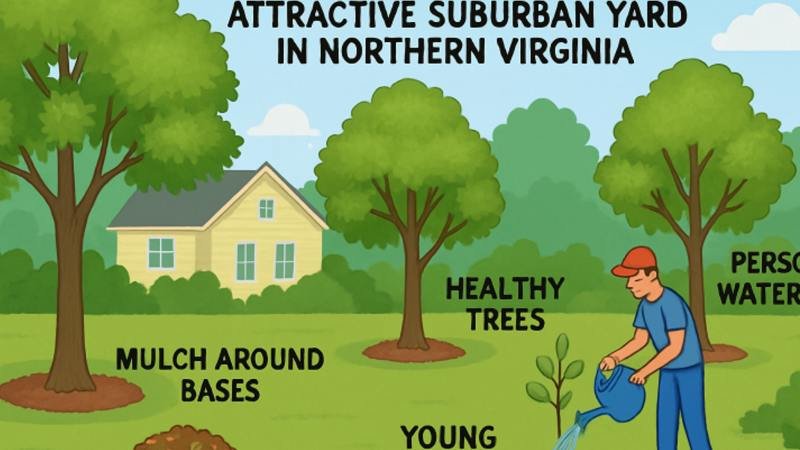
Maintaining a thriving and eco-friendly landscape in Culpeper and Northern Virginia presents unique opportunities and challenges for homeowners who want to preserve the local environment. The region’s climate and soil conditions demand conscious landscape management strategies that support tree health, protect resources, and advance the community’s overall sustainability. Whether you are establishing new trees, maintaining established oak or maple, or enhancing your garden with native plantings, adopting proven methods is essential.
For those seeking comprehensive outdoor solutions, tree services in Culpeper and Northern Virginia from Premier Tree & Landscaping provide vital expertise. With a sterling reputation across Culpeper and the broader Northern Virginia area, Premier Tree & Landscaping specializes in professional tree care, landscape design, and storm damage response. The brand is recognized for employing certified specialists who understand local ecological requirements and tailor every service to support long-term tree health, garden sustainability, and property value.
Proper Watering Techniques
Consistent and thoughtful watering is the backbone of healthy tree establishment, particularly for newly planted or young trees. In Virginia, rainfall can be variable, making it crucial to supplement water during dry spells. The Virginia Department of Forestry suggests watering newly planted trees 2 to 3 times per week, applying 2 to 3 gallons of water per caliper inch. For example, a two-inch caliper tree should receive four to six gallons of water a few times weekly during the growing season. These guidelines help develop robust root systems and support vigorous growth, especially during the crucial first few years after planting. Avoid overwatering and water directly at the base to minimize evaporation and fungal issues.
Pruning for Health and Aesthetics
Thoughtful pruning keeps your landscape beautiful and ensures your trees remain strong against disease and pests. Remove any damaged, dying, or diseased branches immediately to stop problems from spreading. Beyond addressing health issues, pruning also helps shape young trees, guiding them toward attractive, stable forms. The best time for major pruning in Northern Virginia is typically late winter or early spring before new growth emerges, giving cuts ample time to heal before the active growing season. Selective pruning encourages more sunlight penetration and air flow, reducing the risk of fungal infections.
Benefits of Mulching
Mulching is one of the simplest ways to support soil health, conserve water, and stop weed growth in its tracks. A two- to four-inch layer of organic mulch, such as shredded bark or leaf compost, moderates soil temperature fluctuations and retains moisture around the roots. However, mulch must be applied carefully: keep it a few inches away from the base of tree trunks to prevent rot and allow air to circulate. Organic waste like wood chips, pine needles, or chopped leaves makes for the best mulching material and will decompose over time, feeding soil life and improving its structure.
Composting for Soil Enrichment
Composting turns everyday yard waste and select kitchen scraps into nutrient-rich material that transforms poor soil into a productive growing medium. Gather fallen leaves, grass clippings, and small branches, then allow them to break down naturally in a compost pile or bin. The resulting compost enhances soil fertility and long-term structure, encouraging vigorous root growth and supporting a vibrant landscape. Homeowners divert significant organic material from landfills by composting, making it an essential part of sustainable gardening.
Deep-Root Fertilization
Soil in Northern Virginia is often compacted, which can restrict the availability of key nutrients for tree roots. Deep-root fertilization addresses this problem by injecting nutrients directly into the root zone where they are most needed. This technique supports trees recovering from drought, construction damage, or pest infestations and is highly effective when applied in the fall. Trees can then store reserves for the winter, resulting in more vigorous growth the following spring. Deep-root fertilization is especially important for mature shade trees that may struggle to compete for established nutrients, and it is most effectively performed by professionals with specialized equipment.
Engaging Professional Services
Maintaining a sustainable and beautiful landscape sometimes requires expert attention. By working with experienced professionals like Premier Tree & Landscaping, property owners get access to knowledgeable crews who understand both horticultural science and the realities of the local environment. Services extend beyond simple tree trimming to include custom landscape design, routine health inspections, disease management, and rapid response after major storms. Engaging a reputable local expert ensures proactive care and helps homeowners meet sustainability goals while protecting property value.
FAQs
How often should I water my newly planted trees?
Generally, newly planted trees thrive when watered 2 to 3 times per week with 2 to 3 gallons of water per caliper inch. This promotes strong root growth and ensures healthy establishment, especially during the first few years.
When is the best time to prune trees in Northern Virginia?
The late winter through early spring period is optimal for pruning most varieties. At this stage, trees are dormant, and wounds heal quickly once new growth begins, minimizing stress and vulnerability to pests.
What materials are suitable for mulching?
Organic matter such as hardwood chips, bark mulch, pine straw, and compost is best. These materials decompose over time, providing ongoing benefits to soil life and root health.
Can I compost kitchen scraps?
Yes, you can compost vegetable peels, fruit scraps, coffee grounds, and eggshells, but avoid including meat, dairy, or greasy foods, as these can attract pests and cause odors.
What is deep-root fertilization, and why is it beneficial?
This involves injecting fertilizer directly into the soil near tree roots, making nutrients more readily available than with surface applications. It helps trees recover from stress and promotes healthy, sustained growth in challenging soil conditions.