
Maximizing Safety: How to Use Personal Alarms Effectively
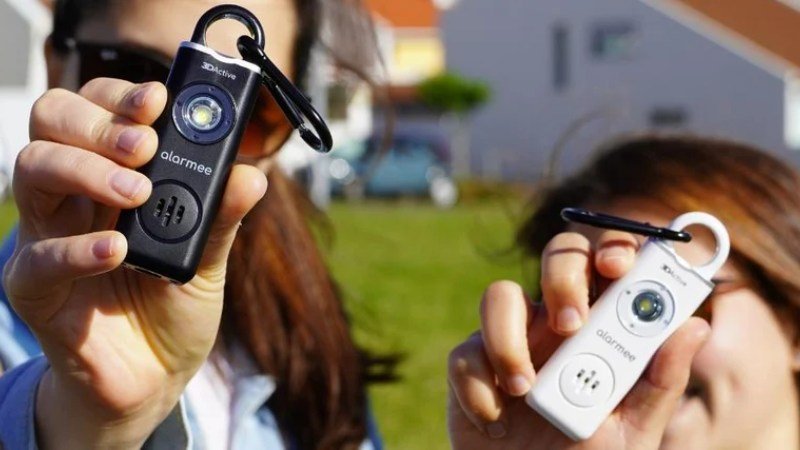
Personal safety is a universal concern, and finding effective, practical solutions is crucial no matter your age or lifestyle. Personal alarms have gained popularity as a discreet but powerful way to enhance security for a variety of individuals, from students to commuters and older adults. Within the first moments of feeling uneasy or threatened, a personal alarm can make all the difference. Knowing where to find options such as alarms for seniors can be especially helpful for those looking to support the safety of loved ones who may be more vulnerable. These compact devices are designed to emit a loud, piercing sound at the push of a button or pull of a pin. This noise serves to both startle potential threats and quickly draw attention from bystanders. However, using a personal alarm effectively involves more than simply carrying one. To maximize these tools, it is important to consider the best practices for choosing, using, and maintaining them and to integrate them mindfully into daily routines. From understanding the technical features to educating children and older adults about proper use, many factors contribute to the effectiveness of personal alarms. While they should not replace vigilance or common sense, these devices are an important part of a layered approach to safety and preparedness.
Choosing the Right Personal Alarm
Not all personal alarms are created equal, and selecting the most appropriate device depends on individual needs and environments. The first consideration should always be alarm volume. A personal alarm should produce a loud enough sound to attract attention even in busy areas. For most scenarios, a minimum of 120 decibels is recommended. According to Forbes Health, higher-decibel alarms are the most effective at securing immediate assistance.
- Alarm Volume:Audible intensity is crucial. Alarms producing 120 decibels or more can be heard over considerable distances, making them ideal in both urban and rural environments.
- Activation Mechanism:There are two main types: push-button and pull-pin. Consider which mechanism you would be able to trigger most quickly under stress.
- Additional Features:Some devices include built-in LED lights, strobes, or even GPS tracking. These features can further enhance usability, particularly in low-light conditions or when you need to be located quickly.
Proper Usage Techniques
Having the right alarm is only the first step. Proper usage techniques maximize effectiveness in a real-life emergency. Immediate activation is critical; delay can reduce the alarm’s deterrent effect. As soon as you feel threatened, activate the alarm confidently. Combine the noise with strong verbal commands if you are comfortable doing so, such as loudly telling an aggressor to leave or calling for help.
- Immediate Activation:Always trigger the alarm at the first sign of danger or discomfort. This proactive approach is key to startling a threat and alerting people nearby.
- Combine with Verbal Commands:Shout firm commands to dissuade a would-be attacker further and attract attention from potential helpers.
- Seek Safety:Use the alarm’s disruption to escape toward a populated or well-lit area as quickly as possible.
Strategic Carrying and Accessibility
Accessibility could determine the success of using a personal alarm in an urgent situation. It should be kept somewhere you can easily grab without having to search through your pockets or bag. Keychain attachments are particularly popular because they allow for one-handed retrieval. Likewise, clip-on options or wearable alarms that attach securely to clothing, backpacks, or belts provide fast, reliable access. Regardless of style, it is essential to regularly practice activating your alarm under calm conditions to build muscle memory.
- Keychain Attachment:Attach your alarm to a key ring or zipper pull for easy access at all times.
- Wearable Options:Consider clip-on or wristband designs to keep the device at hand when jogging, walking the dog, or going about daily tasks.
- Practice Activation:Periodic dry runs help ensure you can use the alarm quickly, even under stress.
Maintenance and Testing
Routine care is fundamental to ensuring that your personal alarm works reliably when needed. Monthly testing, which involves briefly activating the device, helps identify performance issues early. Batteries should be checked at least once per year and replaced as needed. Also, personal alarms should always be kept clean and dry. Moisture or debris can compromise electronics or muffle the sound.
- Monthly Testing:Regular test activations help confirm the alarm still works.
- Battery Checks:Replace batteries regularly, as even a slightly weakened battery can affect alarm volume.
- Keep Clean and Dry:Wipe your alarm down and check for signs of wear after exposure to rain or dust.
Educating Children on Personal Alarms
Personal alarms can be empowering for children, but only if they are given clear, practical guidance. Keep instructions straightforward, especially for younger children. Explain that the alarm is a safety tool meant only for emergencies, not for play. Regular role-playing scenarios help children understand when and how to use the alarm appropriately. Reinforce the importance of seeking help from trusted adults whenever an alarm is triggered.
- Simple Instructions:Show children how to operate their alarm and tell them that it is only to be used in emergencies.
- Role-Playing Scenarios:Practice using the alarm in safe, controlled situations to build confidence.
- Emphasize Responsibility:Teach children to respect the device and never set it off as a joke.
Additional Safety Measures
While personal alarms are excellent for enhancing security, they are most effective when paired with additional safety practices. Staying aware of your surroundings and trusting your instincts are your first line of defense. The buddy system, where you travel with a friend or in groups, reduces vulnerability, especially at night or in unfamiliar places. Always keep others informed about your whereabouts and travel plans. Combining proactive habits with robust tools like personal alarms makes a profound difference in overall safety.
- Stay Aware:Avoid distractions from phones or headphones when walking in public.
- Use the Buddy System:When possible, travel with others or choose well-traveled routes.
- Inform Others:Let trusted contacts know your schedule and check in with them regularly.
Conclusion
Personal alarms provide a vital sense of security and peace of mind in a world where personal safety should never be taken for granted. By choosing a high-quality device, learning how to use it properly, and incorporating it into a layered safety strategy, individuals of all ages can protect themselves more effectively. Taking these simple but important steps can make you feel both empowered and prepared in any situation. In addition, regular testing and maintenance of the device ensure it functions reliably when needed most. Many modern personal alarms also offer discreet designs and advanced features such as GPS tracking and mobile connectivity, making them suitable for everyday use without drawing attention. When combined with awareness of surroundings and basic safety habits, personal alarms become even more effective. Ultimately, they serve as a practical and reliable safeguard that enhances confidence, independence, and overall well-being in daily life.