
How to Choose a Bathtub That Fits Your Spokane, Washington Space, Routine, and Safety Needs
Choosing a bathtub for a Spokane, Washington home involves more than picking a shape that looks good online. Bathroom size, delivery access, plumbing layout, winter comfort, household routines, and long-term safety all affect whether the finished space works well every day. Homeowners planning a bathtub remodel Spokane can make stronger decisions by evaluating the entire room before focusing on finishes or optional features.
The right tub should fit the available opening, feel comfortable for the people using it, and work with the home’s existing systems whenever possible. Whether the goal is a simple tub-shower replacement in a compact bathroom or a deeper soaking tub for a primary suite, careful planning can help prevent costly changes after installation begins.
Start With Your Bathroom Space
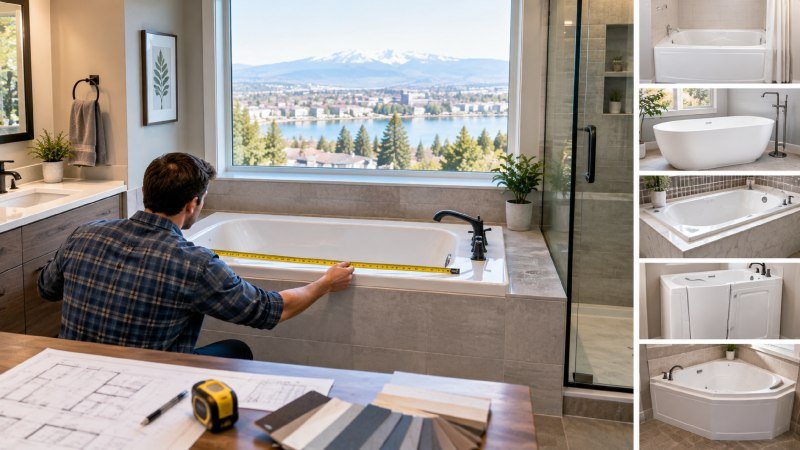
Measurements should come before style decisions. Record the finished wall-to-wall length, width, and height of the tub area, then note the drain and overflow locations. Also measure the distance to toilets, vanities, doors, and nearby cabinets so the room remains comfortable to move through.
Do not stop at the bathroom doorway. A bathtub may fit its final opening but still be too large for a hallway, stair landing, or tight turn between the entry and bathroom. Measure the narrowest point along the full delivery route, and confirm that doors can still open safely once the tub is installed.
Compare Bathtub Styles
Alcove Bathtubs
Alcove tubs fit between three walls and are a practical choice for many Spokane bathrooms. They often pair easily with a shower, offer reliable splash control, and make efficient use of limited floor space. Accurate wall-to-wall dimensions are essential.
Freestanding Bathtubs
Freestanding tubs can create a focal point in a larger bathroom, but they need clear floor space around the exterior. That open space can make cleaning easier in some ways, yet it also creates more exposed floor to maintain. Plumbing changes may be needed if the new tub location differs from the existing drain and valve placement.
Drop-In, Undermount, and Corner Bathtubs
Drop-in and undermount models sit within a finished deck or surround, providing useful ledges for towels and bath items. They also require framing, waterproofing, and finish work. Corner tubs can use an awkward part of the room effectively, although their wide footprint can take up more usable space than expected.
Walk-In Bathtubs
Walk-in tubs are designed to reduce the need to step over a high tub wall. Many include seating and handheld shower controls. Before selecting one, check the door swing, seated comfort, access around the tub, and the time needed to fill and drain it.
Choose the Right Bathtub Material
Material affects how a tub feels, how much it weighs, and how it holds up to everyday use.
- Acrylic: Often lightweight, warm to the touch, and available in many shapes. Proper base support helps reduce flexing.
- Fiberglass: Usually lightweight and economical, but its finish may show wear sooner than some other options.
- Enamel-coated steel: Has a hard, smooth surface and a traditional appearance, though it can feel cool before warm water fills the basin.
- Cast iron: Feels substantial and retains heat well, but its weight makes a floor-support review especially important.
Ask which cleaners are safe for the surface, whether scratches or chips can be repaired, and whether the manufacturer requires mortar or another support system beneath the tub.
Match the Tub to Your Daily Routine
A household with young children may prioritize a stable, easy-to-clean tub-shower combination. People who enjoy longer baths should compare interior basin dimensions, backrest angle, shoulder room, and soaking depth rather than relying only on outside measurements.
In a shared bathroom, practical details matter. Choose a design that controls splash, allows easy cleaning, and leaves clear standing space for more than one person. Storage should keep shampoo, towels, and bath items nearby without crowding the entry and exit area.
Plan for Safety and Accessibility
Safe bathing depends on more than the tub itself. Slip-resistant surfaces, clear walkways, bright lighting, a handheld shower, and well-placed support features can all make the room easier to use. The CDC recommends adding grab bars inside and outside your tub or shower as part of making a home safer for people at risk of falls.
Grab bars should be secured to appropriate structural backing, not treated as decorative accessories. Consider whether the user can step over the tub wall, sit down, stand up, and move through the room without relying on unstable towel bars or suction-mounted handles.
Check Water, Floor, and Plumbing Needs
A deeper tub can require considerably more hot water than a standard bath. Before choosing a high-capacity model, compare its usable water volume with household demand during busy morning or evening periods. The Department of Energy explains that water heating supports domestic uses such as bathing and cleaning, so tub capacity should be considered alongside the home’s broader hot-water needs.
Confirm that the new drain location matches the existing plumbing when possible. Inspect for soft flooring, prior leaks, or subfloor damage before installation. Heavy tubs and water-filled tubs place additional load on the floor, so structural questions should be addressed before the bathroom is finished.
Set a Realistic Project Budget
The tub price is only one part of the project. Include drain hardware, faucets, wall surrounds or tile, demolition, disposal, plumbing adjustments, waterproofing, possible subfloor repairs, permits, and final sealing. Keeping a similar footprint and matching the existing drain location can help limit additional work.
Avoid Common Bathtub Buying Mistakes
- Choosing a tub before measuring the delivery path.
- Assuming tubs with the same outside length have the same interior room.
- Ignoring drain location, shower-door clearance, or curtain placement.
- Selecting a heavy tub without checking the floor support.
- Choosing a deep basin without considering the hot-water capacity.
- Budgeting for the fixture but not the surrounding waterproofing and repair work.
Final Buying Checklist
- Measure the bathroom and the complete delivery route.
- Confirm outside dimensions, interior dimensions, drain location, and overflow placement.
- Choose a style that matches daily bathing and showering habits.
- Compare materials for comfort, maintenance, weight, and durability.
- Plan for safe entry, slip resistance, lighting, and support features.
- Include installation, plumbing, waterproofing, repairs, and disposal in the total budget.
Conclusion
The best bathtub for a Spokane home is one that suits the room, plumbing, budget, and people who will use it most. A thoughtful choice can improve comfort during cold-weather months, simplify cleaning, and support safer daily routines. By measuring first and evaluating the full project, homeowners can choose a tub that remains practical long after installation is complete.