The Homebuyer Checklist: What to Check Before You Commit
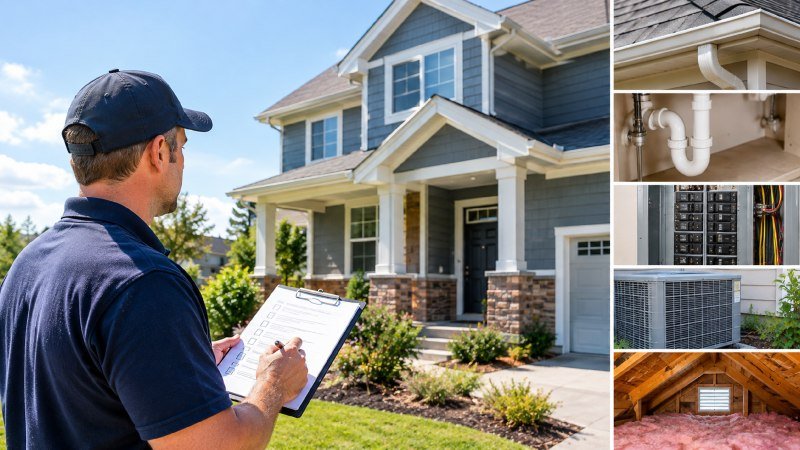
Buying a home is about more than choosing a layout, neighborhood, or kitchen style. A careful review of the property can reveal maintenance needs, safety concerns, and potential costs that are easy to miss during a showing. Buyers in Utah can consider home inspections from BTS Home Inspections, a Utah company that evaluates major systems, including structure, roofing, drainage, plumbing, electrical, heating, cooling, and insulation. Its whole-home infrared scans help buyers in Salt Lake County, Utah County, Davis County, and nearby areas identify potential moisture, insulation, and electrical issues. This checklist prepares you for inspection, but doesn’t replace a qualified inspector, specialist, or contractor. Review your inspection deadline early to allow time for further evaluations and repairs.
Why a Homebuyer Checklist Matters in 2026
A home might look updated on the surface but have aging or poorly maintained systems. Fresh paint can hide stains, attractive landscaping can mask drainage issues, and renovated rooms may conceal hidden work. A checklist encourages buyers to look beyond appearances. Schedule an independent inspection early after contract to identify problems and decide on next steps, as advised by the Consumer Financial Protection Bureau.
Start With the Property’s Age and History
Ask the seller or listing agent for the home’s build year, remodeling records, and approximate ages of the roof, water heater, furnace, and AC. Also inquire about water intrusion, flooding, insurance claims, structural repairs, and permits for major work. An older home isn’t automatically bad; its age provides context. Older properties may have different materials, wiring, plumbing, insulation, or maintenance needs. Documentation clarifies if upgrades were done properly.
Check the Exterior Before Looking Inside
Start outside, where water and structural clues are often easiest to spot. Look for cracks in foundation walls, masonry, stucco, siding, driveways, and walkways. Notice whether the soil slopes away from the house and whether the downspouts direct roof runoff away from the foundation.
- Check for standing water near the foundation or in low areas of the yard.
- Look at gutters, downspouts, flashing, roof penetrations, and visible siding damage.
- Test whether railings feel secure, and note soft wood, damaged stairs, or unstable deck components.
- Observe retaining walls, patios, and walkways for movement, settlement, or drainage problems.
Poor drainage can contribute to moisture intrusion, crawlspace dampness, and damage to finishes or building materials. It is worth raising any evidence of recurring water near the home with the inspector.
Review the Roof, Attic, and Insulation
Ask how old the roof covering is and whether repairs or replacement have been documented. From the ground, look for missing or damaged roofing material, sagging areas, debris-filled gutters, or flashing concerns around chimneys, skylights, and vents.
Inside the attic, an inspector may look for staining, damp framing, inadequate ventilation, uneven insulation, and exhaust fans that do not vent outdoors. Moisture in an attic can lead to staining, wood deterioration, and mold-like growth, while insufficient insulation or air leaks can reduce comfort.
Inspect Structure, Plumbing, and Electrical Safety
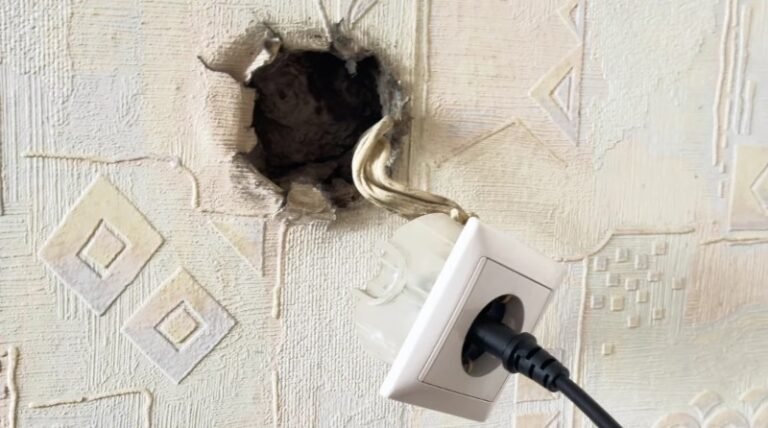
Don’t diagnose a foundation issue from one crack. Look for large, expanding, or moisture-related cracks; sloping floors; sticking doors; uneven window gaps; and movement around posts or beams. Check if major repairs were done by pros and if records exist. For plumbing, test faucets, flush toilets, and inspect beneath sinks and around the water heater for leaks, corrosion, staining, or swollen flooring. A basic inspection may not cover underground sewer lines; consider a camera inspection for older homes or slow drains. Electrical issues require a pro: note loose outlets, missing covers, discolored switches, exposed wiring, extension cords as permanent wiring, and unlabeled panels. Never open panels or handle suspicious wiring.
Check Heating, Cooling, Ventilation, and Indoor Moisture
Ask whether the heating and cooling equipment operates normally under appropriate conditions, whether filters are accessible, and whether rooms receive reasonably even airflow. An inspection is not a substitute for a full HVAC service visit, so an older, unsafe, or questionable system may need a specialist’s opinion.
Also watch for musty odors, fresh paint over old stains, peeling caulk, window condensation, warped flooring, swollen trim, or visible mold-like growth. These signs do not identify the cause on their own, but they can point to a moisture issue worth investigating.
Know When Extra Testing Makes Sense
- Radon testing: Radon cannot be seen or smelled. The EPA recommends testing all homes for radon, including newly built homes.
- Sewer camera inspection: A scope can identify roots, offsets, breaks, or other concerns in an underground sewer line.
- Termite inspection: This may be appropriate where wood-destroying insects are a concern or required by a lender.
- Mold testing: Discuss testing if there is visible growth, persistent odor, flooding history, or unexplained moisture.
- Chimney evaluation: A specialist can assess masonry, liners, flues, and fireplace components beyond a general visual review.
Choose an Inspector Carefully
Look for an inspector who works independently for you, explains what is included and excluded, and provides a clear written report. Request a sample report, ask how urgent concerns are identified, and confirm whether the inspection includes tools such as moisture meters or thermal imaging. Check applicable state requirements, references, and recent reviews before booking.
Attend the Inspection and Read the Report Strategically
Being present helps understand findings in context. Ask whether the issue is safety-related, requires quick attention, could cause further damage, or should be evaluated by a specialist. When the report arrives, read the summary first, then review photos and location details. Group related findings, separate safety concerns from routine issues, and get estimates for major repairs. A long report isn’t necessarily alarming, nor is a short one reassuring. The importance of a finding depends on its condition, consequences, and scope for repair.
Common Homebuyer Questions
Can a home pass an inspection?
Most inspections are not pass-or-fail tests. They document observable conditions and identify items that may affect safety, maintenance, performance, or future costs.
Should buyers inspect new construction?
Yes. New homes can still have incomplete work, installation errors, drainage concerns, or defects that are easier to address before closing.
What if the inspection finds a major problem?
Your options depend on the purchase contract. You may seek repairs, request a credit, renegotiate, obtain a specialist evaluation, or cancel if your contract permits it.
Final Checklist Before the Inspection Deadline
- Read the inspection contingency and key dates in your contract.
- Attend the inspection if possible and take notes.
- Ask whether additional testing or specialist evaluations are warranted.
- Review the report promptly and request repair estimates for major concerns.
- Keep negotiation requests and responses in writing.
- Make the final decision based on condition, repair costs, and your long-term plans.
A homebuyer checklist cannot predict every future repair, but it can help you make a more informed decision. By evaluating the exterior, drainage, roof, structure, plumbing, electrical systems, heating and cooling, and moisture clues, you can better understand the home beyond its first impression.