
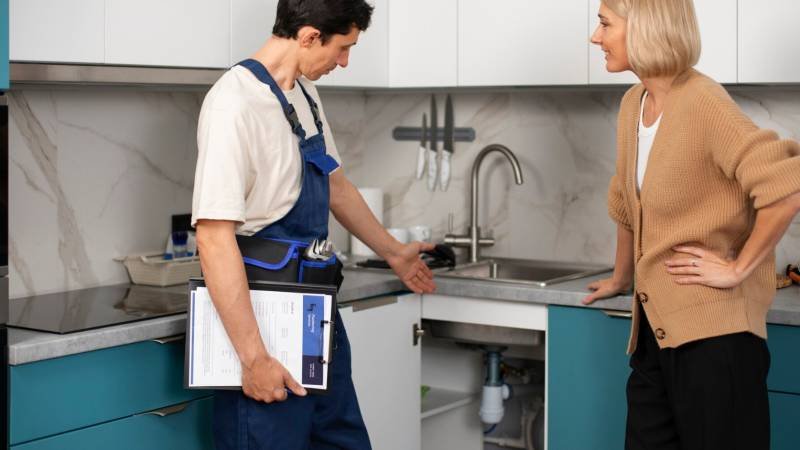
How to Get Your Clapham Plumbing Ready for Winter
If you’re British, you can probably talk about frost at a bus stop for a solid 10 minutes. You’ll cover the icy pavements and the frozen windscreen, but the pipe in your loft never makes it into the conversation until your kitchen tap runs dry one morning.
And a frozen pipe is the lucky outcome. A burst one could leave you with a water-damaged ceiling and an afternoon spent listening to hold music on your insurer’s customer service line.
So, here’s how to get your plumbing ready for winter while you can still climb into the loft without a bobble hat.
Check for Existing Leaks
Before you start wrapping your pipes, you have to make sure that there aren’t any hidden leaks. You might shrug off a tiny drip in October, but freezing and thawing puts extra strain on joints that are already weak.
So, grab a flashlight and check around visible pipes, taps, and the base of your toilet. Look for damp patches and that faint musty smell you’ve been blaming on the laundry basket.
If you have a water meter, take a reading, then check it again an hour later without using any water. If the number has crept up, you’ve got a leak to sort out before the first frost.
Insulate Exposed Pipes
Once you’re confident your pipework is in good shape, you can start protecting the sections most likely to freeze.
Head for the cold corners of your home first, like the loft, garage, and external walls. If you live in one of Clapham’s classic Victorian terraces, you probably have pipework tucked into spots that haven’t felt a radiator’s warmth since the 1800s.
You can pick up foam pipe lagging from B&Q or Screwfix for a few pounds. Most household pipes are 15 mm or 22 mm wide, so take measurements before buying anything, or you’ll end up with lagging that flaps around like an oversized sleeve.
Just slide it over the pipe, tape the joins, and leave no gaps around bends or valves. And if you have a cold water tank in the loft, insulate it, too.
Protect Your Outside Tap
Your outside tap has nothing separating its water supply from a brutal frost except a thin piece of brass. If that water freezes, the pipe directly behind it can split inside your wall, and you might not even realise it until you go out to water the garden in spring.
If your setup allows it, turn off the internal isolation valve, which you can find under the kitchen sink. Then, disconnect the hose and open the outside tap until the last of the water has drained out.
For extra protection, pop an insulated cover over the tap. It costs less than a takeaway coffee, and you can find one at most garden centres, often right next to the bird feeders and the de-icer.
Check Your Boiler and Condensate Pipe
Now that your pipes are covered, it’s time to focus on your boiler, as it’ll be working much harder once the cold sets in.
If you haven’t had it serviced in the past year, book a Gas Safe registered engineer now. Waiting until November means competing with every other shivering homeowner in South London for an appointment.
If you have a modern condensing boiler, it’ll also have a condensate pipe, which carries wastewater outside to a drain. If that water freezes, your boiler will shut down, leaving you without heating or hot water on the coldest morning of the year.
So, check that any external section is lagged with weatherproof insulation. If it does freeze, pour warm water over the pipe, then reset the boiler following the manufacturer’s instructions.
Find Your Stop Tap
Even with everything lagged and serviced, you should still plan for the worst, and that starts with knowing how to turn the water off in a hurry.
You’ll usually find your stop tap under the kitchen sink, but it can also be hidden under the stairs or in a cupboard near the front door. So, find it today. Trust us, searching for it while water cascades down your staircase is an experience you don’t want to go through.
Once you’ve found it, turn it clockwise to check that it moves freely. If it’s stiff, don’t force it with a wrench, as older stop taps can snap.
Finally, show everyone in your household where it is. This way, you won’t have to describe its location to a panicking family member over a crackly phone line.
Keep Your Home Warm Enough
Of course, the easiest way to avoid dealing with emergency shut-off valves altogether is to keep your home warm.
If you’re heading away for a winter weekend getaway, you might be tempted to switch the heating off. But if the temperature drops low enough, the pipes in colder parts of your home can freeze.
Instead, leave the heating on low, around 12–15°C, or use your thermostat’s frost setting. You can also open the loft hatch and the cupboards under your sinks to let warm air reach the pipes.
And before you go, check your home insurance, as many policies have conditions for homes left empty in winter. You don’t want to discover the small print while mopping up your hallway.
Get Your Plumbing Professionally Checked Before Winter
You can handle most of this prep yourself, but some problems need a trained eye.
If you’ve already noticed low water pressure, recurring leaks, or pipes that bang every time someone runs a bath, get them looked at now. Those faults are far cheaper to fix in autumn than at midnight in January, when every plumber in South London is fully booked.
If you’re looking for a plumber, Clapham has plenty of qualified professionals you can reach out to. But before you lock in an appointment, here are a few quick things to verify.
- Check their experience. Look for a plumber who regularly deals with residential problems like leaks and frozen pipes, rather than someone who mostly fits new bathrooms.
- Ask what they’ll check. You want the inspection to cover vulnerable pipework, existing leaks, and your stop tap and isolation valves. If the answer sounds vague, you might end up paying for someone to glance at your boiler and leave.
- Confirm their availability. Pipes rarely burst during office hours, so ask whether emergency help is available in the evenings and at weekends. You’ll be glad to have a number saved in your phone when water is dripping through your ceiling.
- Look at recent reviews. Check recent customer reviews to see whether the plumber turns up on time and explains problems clearly.
- Get a breakdown of costs. Before any work begins, ask what the inspection or repair includes and whether there are extra call-out or out-of-hours charges. That way, the final bill won’t come as a surprise.
Conclusion
Nobody wants to start the new year with a bucket under the ceiling and a boiler flashing a code nobody in the house can decipher.
A few metres of lagging and an hour of prep will keep that scenario hypothetical. Most of these jobs cost less than a single emergency call-out, and they’ll leave you with hot showers and dry ceilings, no matter how cold it gets. Click here see more.