How to Layer Sheer and Blackout Curtains: Step‑by‑Step for Beginners
Layering sheer and blackout curtains is one of the most effective ways to combine beauty and function in any room. By pairing a lightweight sheer curtain with a heavier blackout panel, you gain flexible light control, enhanced privacy, improved insulation, and a more polished window treatment. Beginner‑friendly and highly customizable, this technique works beautifully in living rooms, bedrooms, nurseries, and even dining areas.
In this guide, you’ll learn why layering matters, how to measure correctly, what hardware to choose, step‑by‑step installation instructions, design tips, and common mistakes to avoid – all in simple, clear language.
Why Layer Sheer and Blackout Curtains?
Before we dive into steps and tools, let’s talk about what each curtain type brings to the table:
1. Blackout Curtains – Full Darkness and Privacy
Blackout curtains are thicker and designed to block nearly all incoming light. They are ideal for:
- Bedrooms where complete darkness improves sleep
- Media or entertainment spaces where light control matters
- Rooms facing bright morning or evening sun
- Insulating against heat and cold
2. Sheer Curtains – Soft Light, Everyday Comfort
Sheer curtains are made from lightweight, translucent fabrics that allow daylight to enter while diffusing it gently. They provide:
- A dreamy, soft glow in the room
- Daytime privacy by obscuring the view from outside
- A light, airy aesthetic that complements most décor styles
When the blackout panels are open, sheer curtains let you enjoy natural light without harsh glare.
Together, these two curtain layers give you three lighting options:
- Sheers alone – soft, filtered light
- Blackouts alone – complete darkness
- Both open – maximum light and openness
The ability to switch between these modes makes layered curtains both practical and stylish.
Tools & Materials You’ll Need
Before installing anything, gather the following:
Curtains
- Sheer panels – select a fabric that feels soft and allows light through
- Blackout panels – heavier, opaque curtains designed to block light
Hardware
- Double curtain rod set or a dual track system
- Brackets for both rods/tracks
- Curtain rings or hooks (optional, but helpful)
Tools
- Tape measure
- Pencil
- Level
- Drill with bits
- Wall anchors and screws
- Ladder or step stool
When positioned correctly, the hardware lets each curtain layer move independently – making daily use easy and smooth.
How to Measure Your Windows Like a Pro
Accurate measurements are key to good curtain installation. Here’s how to do it:
1. Measure Window Width
Start by measuring the full width of the window frame. Then allow for an additional 8–12 inches on each side when placing the curtain rods. This lets the curtains fully clear the window when open, allowing more light in and making the window appear larger.
If your window is wide or you want dramatic fabric folds, consider wider rods. For sheer panels, aim for curtain widths that add up to at least twice the width of the window for a soft, luxurious fullness. Blackout panels can also be cut with a generous width for better coverage and visual appeal.
2. Measure Window Height
Decide where you want to mount the rods. A popular design trick is to place rods 4–6 inches above the window frame or even closer to the ceiling to create a sense of height. Then measure from where the rods will sit to the floor to get your curtain length.
Common curtain lengths include:
- Just touching the floor – clean and minimal
- Slightly pooling on the floor – romantic and dramatic
- Floating above the floor – casual and practical
Make sure both the sheer and blackout panels have the same length for a cohesive, polished look.
Choosing the Right Hardware
There are two main hardware options for layering curtains:
1. Double Curtain Rod
A double rod system consists of:
- A front rod (for blackouts)
- A back rod (for sheers)
This setup mounts two rods on the wall, one behind the other, and is often easier for beginners. The rods should be spaced far enough apart so that the blackout panels don’t catch on the sheer fabric when opened.
2. Double Track System
A track system uses two parallel tracks mounted on the wall or ceiling. Curtains slide along their own track and operate independently. This system often looks sleeker and is ideal for modern or minimalist décor.
Tip: If using rings or clips, be sure they match your curtain fabric and rod diameter for smooth movement.
Step‑by‑Step Installation Guide
Ready to install? Follow these steps carefully:
Step 1: Mark Bracket Positions
- Use a level and pencil to mark where both curtain rod brackets will go.
- Place the upper rod bracket first (usually for blackout panels).
- Then mark the second set of brackets slightly closer to the window — this will hold the sheer curtain rod.
Step 2: Drill and Secure Brackets
- Drill pilot holes at your marks.
- Insert wall anchors if drilling into drywall or plaster.
- Secure each bracket tightly with screws.
Take your time here; secure brackets ensure long‑lasting installation.
Step 3: Attach the Rods or Tracks
- Slide your rods or track sections into the brackets and tighten them.
- Make sure everything is level and stable before adding fabric.
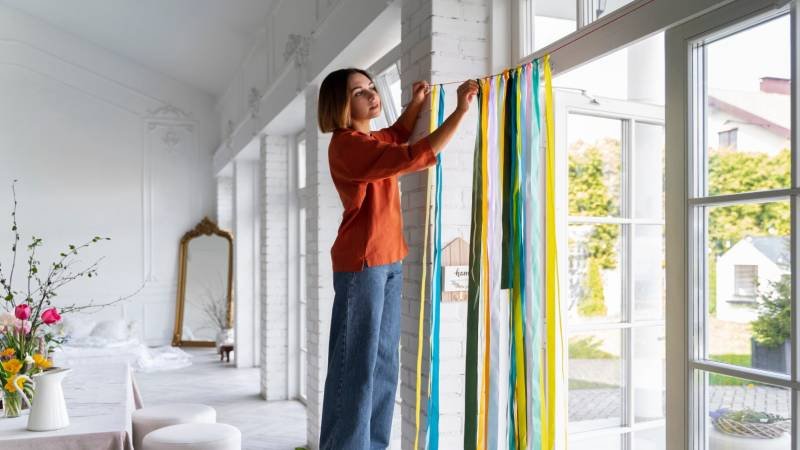
Step 4: Hang the Curtains
- Hang sheer panels first on the inner rod or track so they fall closest to the window.
- Hang blackout curtains on the outer rod.
Make sure both layers slide freely. The arrangement allows you to use sheers during the day and blackout curtains when you need darkness.
Design Tips for Stunning Windows
Layered curtains are not just functional – they’re a major design element. Here’s how to elevate the look:
Hang High and Wide
Mounting rods higher and wider than the actual window frame creates a sense of height and grandeur. Even small windows will feel larger and more intentional.
Match Colors to Your Room
- Sheers usually work best in light or neutral tones to maintain brightness.
- Blackouts can be bold, patterned, or muted – choose a tone that complements wall color, furniture, or accent pieces.
Balance Textures
Soft silks, linens, or cotton for sheers balance beautifully with heavier textured fabrics for blackout curtains. This creates visual depth without feeling cluttered.
Coordinate with Other Décor
Curtains should feel like part of the room, not an afterthought. Consider repeating curtain colors or patterns in throw pillows, area rugs, or wall art for cohesiveness.
Common Mistakes to Avoid
Even experienced decorators stumble sometimes. Here are common pitfalls – and how to avoid them:
Rod Placement Too Close to Frame
If rods are too close to the window jam, curtains can block light unevenly or fail to stack back cleanly. Allow extra space so curtains fold back nicely.
Insufficient Curtain Width
Curtains that are too narrow look flat and don’t block light effectively. Always choose widths that allow for soft folds and generous coverage.
Mixing Lengths
Make sure both sheer and blackout panels reach the same floor level. Mismatched lengths look sloppy and can disrupt the symmetry of your design.
Where Layered Curtains Work Best
Layered curtains shine in many spaces – here’s what they offer room by room:
Bedrooms
Layering gives morning light filtering through sheers and total darkness with blackouts – perfect for sleep quality and comfort.
Living Rooms
Use sheers during the day for a bright, inviting atmosphere, and bring in blackouts for movie nights or glare‑free relaxation.
Nurseries and Kids’ Rooms
Soft daylight through sheers keeps the space calm, while blackout panels help with naps and sleep routines.
Dining Areas
Layered curtains add a refined touch to formal dining rooms while letting you control mood lighting during dinner parties.
Final Thoughts
Layering sheer and blackout curtains transforms ordinary windows into functional design features. While the process involves a bit of measuring and hardware installation, even beginners can achieve stunning results with patience and clear steps.
Whether you want soft daylight in the afternoon or total darkness at night, this layered approach gives you all the control without sacrificing style. With the tips above – from measuring and hardware selection to installation and styling – you now have a complete blueprint to create beautiful and practical window treatments anywhere in your home. Click here to see more details.